Somali President Hassan Sheikh Mohamud has invited opposition groups to election talks in Mogadishu on November 14-18, as the government defends its 2027 election timetable and disputes over presidential term limits and the electoral process persist.
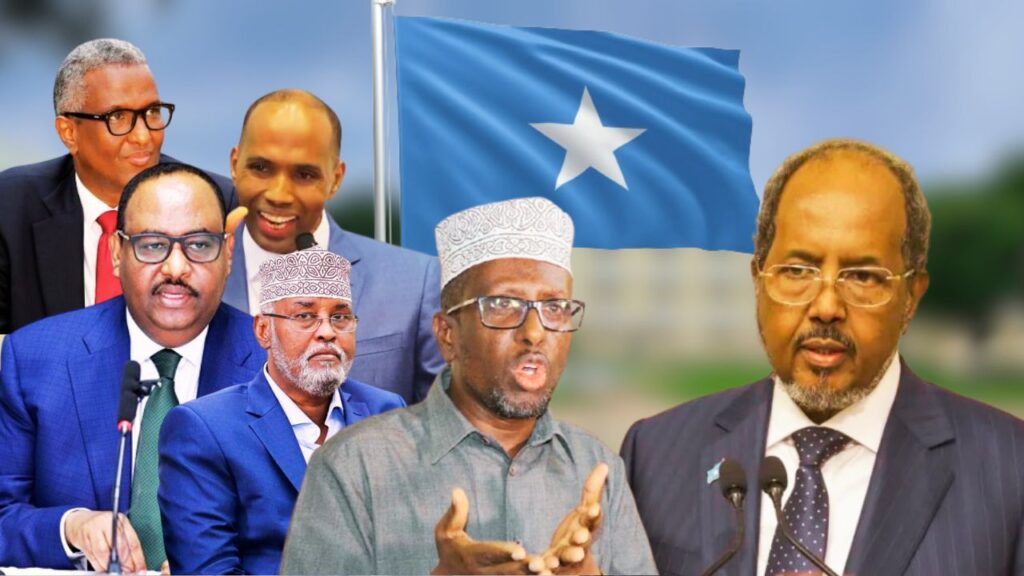 MOGADISHU (Somali Report) — Somali President Hassan Sheikh Mohamud has invited opposition groups to talks in Mogadishu next month to discuss federal elections, amid a dispute over the electoral system and the timing of the next presidential vote.
The November 14-18 conference will bring together political parties, opposition alliances, leaders of Puntland and Jubaland regional states and civil society representatives, the presidency said Monday.
Invitations were sent to the Peace and Life Party, the Somali Future Council, the National Unity Forum and the Civil Society Coalition, according to an official statement.
The talks come as the government pushes to introduce a one-person, one-vote system, while opposition leaders demand political consensus on the electoral framework and the country's political transition.
Somalia's electoral authorities have scheduled parliamentary elections for April 15, 2027, and a presidential election for May 15, 2027. Opposition figures have challenged the government's approach, arguing that key electoral decisions require agreement among the main political stakeholders.
The dispute also centres on the presidential mandate. The opposition says Hassan Sheikh's term ended on May 15, 2026, while his administration maintains that the political transition should proceed under its timetable for elections in 2027.
Somali Report · Newsletter
Your morning briefing on Somalia's biggest stories — politics, security, business, and the people shaping the region's future.
In an address to the nation on Sunday, Hassan Sheikh said his door remained open to all political actors and called for disagreements to be resolved through dialogue, compromise and mutual understanding.
He also defended direct elections as essential to strengthening democracy and allowing citizens to choose their representatives, replacing the indirect system in which clan elders and electoral delegates have played a key role.
The Somali Future Council, an opposition alliance bringing together prominent political figures, has rejected unilateral decisions on the electoral process and called for negotiations to resolve the dispute.
Somalia has struggled for years to establish a nationwide direct-voting system, with insecurity, political rivalries and disagreements between federal and regional authorities repeatedly delaying electoral reforms.
The November meeting could offer an opportunity to bridge differences over the election timetable and the rules governing the next vote, although it remains unclear whether the invited groups will attend.
About the Author
Ahmed Omar is a senior journalist for Somali Report, based in Mogadishu. He has two decades of experience reporting on Somalia for international and local media. He covers politics, security, governance, business, trade, economic developments and regional affairs.
