Somalia’s government has accused opposition leaders of orchestrating an armed coup attempt in Mogadishu following days of heavy clashes in the capital. The authorities also alleged links to foreign backing, including the United Arab Emirates and Sudan’s RSF.
 Somali forces patrol a Mogadishu street after clashes with opposition-aligned forces on Thursday (AFP/Getty Images)
MOGADISHU (Somali Report) — Somalia's government has accused senior opposition figures, including former Prime Minister Hassan Ali Khaire and former President Sharif Sheikh Ahmed, of orchestrating an armed attempt to destabilise the state after fierce clashes erupted in Mogadishu, exposing the country's deepest political crisis since President Hassan Sheikh Mohamud returned to office in 2022.
The fighting, which unfolded over two days in several parts of the capital, centred around the Howlwadaag district and areas near residences linked to opposition leaders. The violence triggered widespread alarm among residents, damaged property, displaced civilians and prompted urgent calls for restraint from the United Nations, the United States, the United Kingdom and regional bloc IGAD.
The confrontation comes amid a bitter dispute over constitutional amendments and elections that has sharply divided Somalia's political leadership and raised fears of a broader security crisis at a time when the country remains engaged in a war against Al-Shabaab.
The federal government said armed fighters linked to opposition leaders had entered Mogadishu and launched attacks on security installations.
In a statement, the Ministry of Information accused opposition-aligned militias of targeting a police facility in Howlwadaag while carrying heavy weapons and operating under civilian cover.
Defence Minister Ahmed Moallim Fiqi described the events as a failed attempt to undermine state authority. In a strongly worded statement, he compared the armed groups to Sudan's Rapid Support Forces (RSF), referring to them as the organisation's "Somali wing."
"The coup attempt orchestrated against the Somali state has been thwarted and is now on the verge of collapse," Fiqi said.
The minister further alleged that some opposition politicians were acting on behalf of foreign interests, though he did not provide evidence to support the claims.
Government officials said security forces acted to defend state institutions, maintain public order and prevent armed groups from destabilising the capital.
Mogadishu Mayor Hassan Mohamed Hussein Muungaab praised security forces for what he described as responsible conduct during the crisis, saying they had worked to protect civilians and preserve stability.
Opposition leaders strongly rejected the government's version of events and accused President Hassan Sheikh Mohamud of using state security forces to target political rivals.
Former Prime Minister Hassan Ali Khaire alleged that government troops carried out a prolonged military operation aimed at eliminating opposition figures gathered in Mogadishu.
"For more than 20 hours, Hassan Sheikh Mohamud has directed a sustained and indiscriminate military assault with the apparent objective of killing me, former President Sheikh Sharif Sheikh Ahmed, respected traditional elders and other political leaders," Khaire said.
He claimed that military assets intended for operations against Al-Shabaab, including drones and anti-tank weapons, had been deployed in densely populated civilian neighbourhoods.
Khaire further accused the government of disrupting civilian infrastructure and using state resources for political repression.
Former President Sharif Sheikh Ahmed also condemned the government's actions, accusing President Mohamud of violating the constitution and warning that Somalia was entering a dangerous political phase.
"We need a broad political agreement on elections, not unilateral decisions that deepen divisions," Sharif has repeatedly argued.
At the heart of the crisis is a dispute over constitutional amendments approved earlier this year.
The reforms extended the terms of both the presidency and parliament from four years to five years and introduced changes to Somalia's electoral framework.
Somali Report · Newsletter
Your morning briefing on Somalia's biggest stories — politics, security, business, and the people shaping the region's future.
The government argues that the reforms are necessary to move the country toward universal suffrage and direct elections after decades of indirect voting based on clan power-sharing arrangements.
However, opposition leaders, including former presidents Sharif Sheikh Ahmed and Mohamed Abdullahi Farmaajo, argue that the amendments lack broad national consensus and amount to an unlawful extension of President Mohamud's tenure.
The controversy intensified after May 15, the date opposition figures say marked the expiration of President Mohamud's constitutional mandate under the 2012 Provisional Constitution.
Puntland authorities have also questioned the president's continued stay in office, arguing that the mandates of key federal institutions expired simultaneously.
Following hours of violence, mediation efforts led by traditional elders, lawmakers and security officials helped reduce tensions.
Sources indicated that National Intelligence and Security Agency (NISA) Director Mahad Salad held discussions with Hassan Ali Khaire and other political figures, resulting in a temporary de-escalation.
Khaire later left a residence in Howlwadaag and returned to his home near Jazeera Hotel under security arrangements reportedly coordinated by intelligence officials.
While the move eased immediate tensions, heavily armed forces from both sides remained on alert across parts of the capital, underscoring the fragility of the situation.
No official casualty figures have been released, although residents and local sources reported deaths, injuries and damage to civilian property.
The clashes prompted concern from Somalia's international partners, who warned that political disputes should not be resolved through violence.
UN Secretary-General António Guterres expressed alarm over reports of civilian casualties and damage to critical infrastructure.
"The Secretary-General strongly condemns all acts of violence and incitement to violence undertaken for political advantage," a UN statement said.
The United States Embassy in Mogadishu described the violence as "reckless" and urged all sides to preserve stability and resolve differences peacefully.
The British Embassy similarly called for restraint and inclusive dialogue, while IGAD urged immediate de-escalation and warned against actions that could undermine Somalia's state-building gains.
Diplomatic sources have also cautioned that individuals responsible for escalating violence could face international consequences if the crisis worsens.
The latest confrontation has revived memories of Somalia's 2021 political crisis, when disagreements over electoral timelines led to armed clashes in Mogadishu and divisions within the security forces.
With Somalia still battling Al-Shabaab and relying heavily on international support for security and state-building efforts, analysts warn that prolonged political instability could weaken the country's broader recovery efforts.
For now, the government and opposition remain locked in competing narratives. Authorities insist they acted against armed militias threatening public order, while opposition leaders maintain they were targeted for challenging the president's disputed mandate.
Whether the recent mediation efforts mark the beginning of meaningful dialogue or merely a pause before further confrontation remains unclear. What is certain is that Somalia faces one of its most serious political tests in years, with the outcome likely to shape the country's democratic trajectory and security landscape for months to come.
About the Author
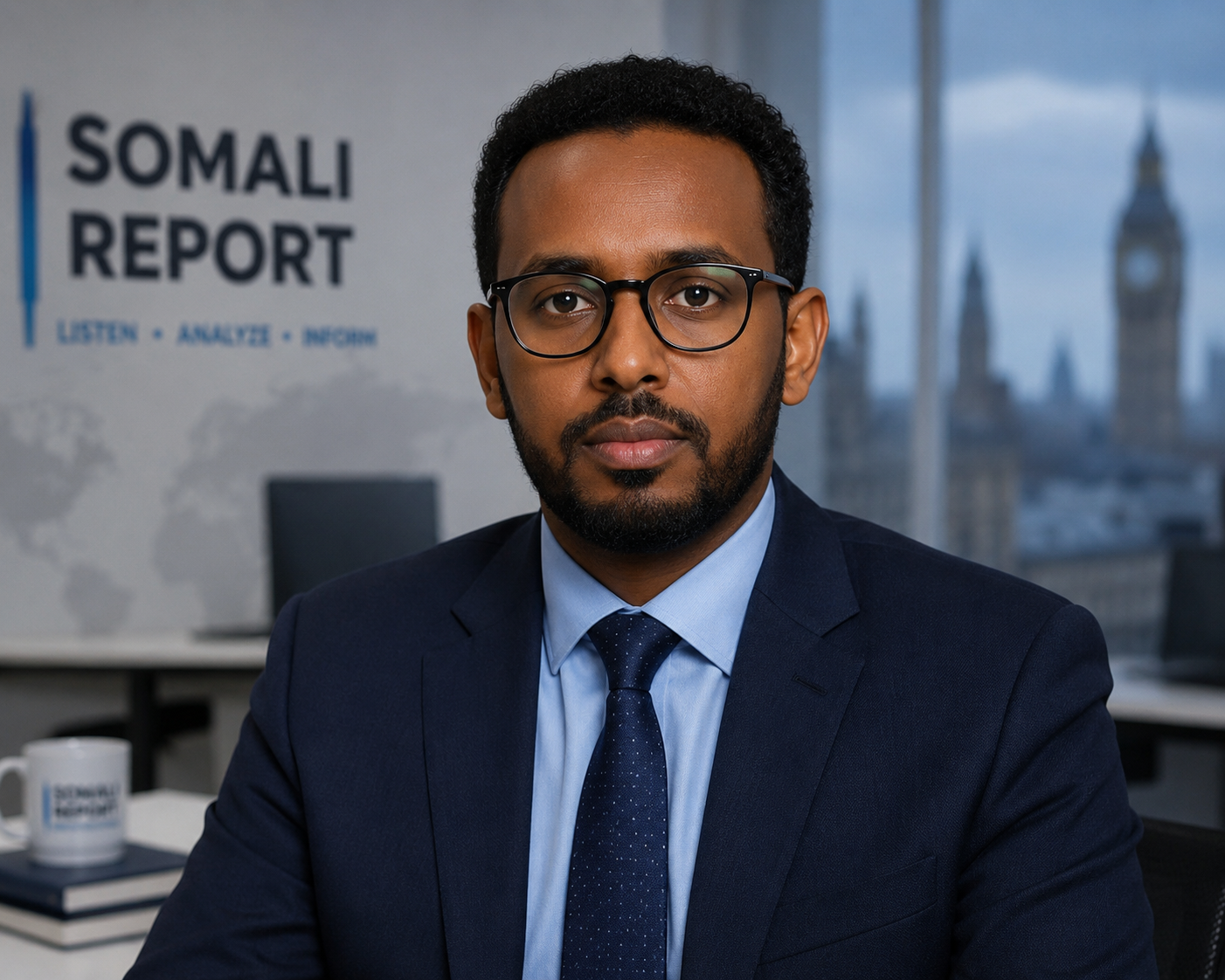
Mohamed Farah is a senior editor at Somali Report, based in London, covering geopolitics, trade, business, and security across the Horn of Africa and the Red Sea region.
Jubbaland Approves Budget Exceeding $60 Million as Domestic Revenue Rises


