Ethiopia’s National Dialogue has reached consensus on the future status of Addis Ababa, with participants backing a proposal for the capital to remain the seat of the federal government while also serving as the seat of the Oromia regional administration.
 ADDIS ABABA, Ethiopia (Somali Report) — Ethiopia’s National Dialogue Commission says participants have reached consensus on the Addis Ababa question, bringing one of the country’s most sensitive political and constitutional issues closer to a formal recommendation.
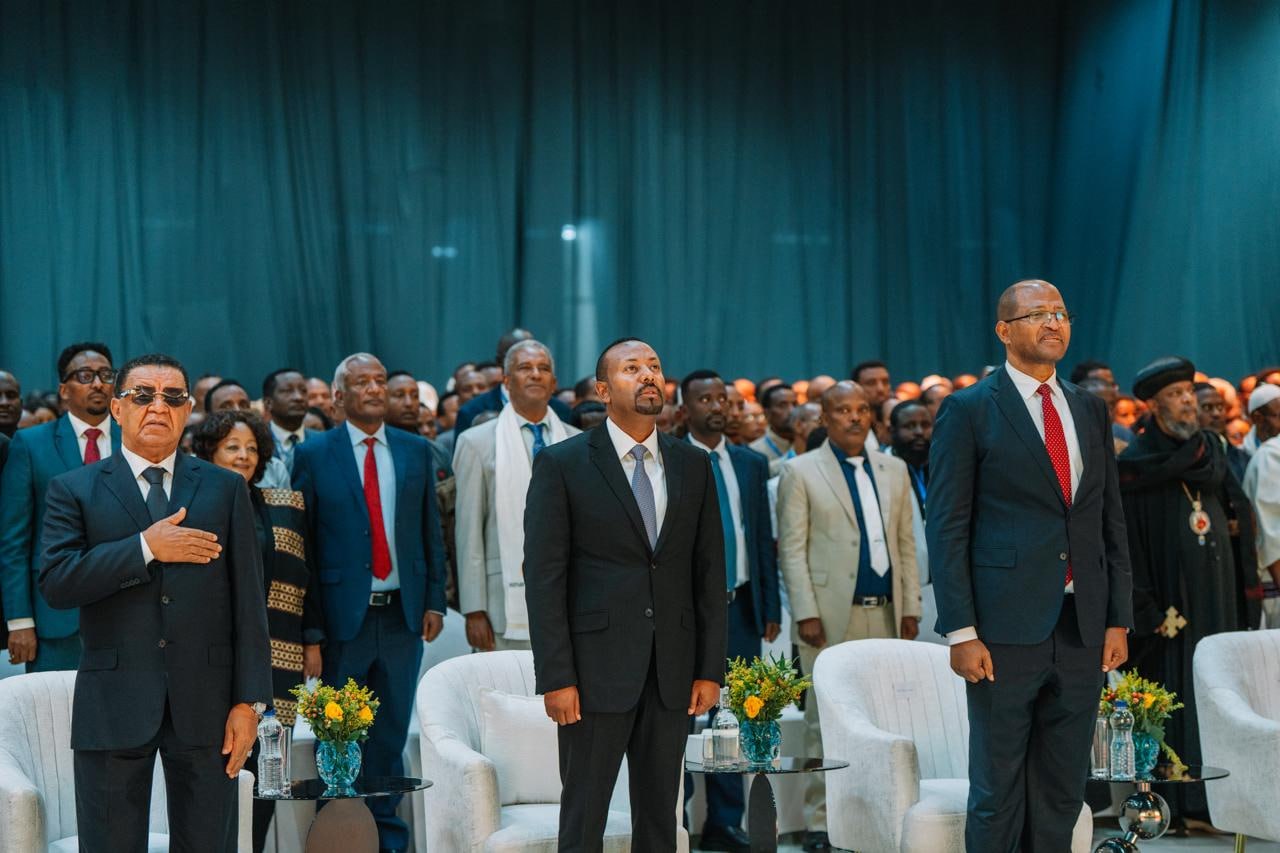
The agreement was reached during weeks of deliberations by the National Dialogue Conference, which brought together about 4,000 participants from across Ethiopia. The conference, which opened in Addis Ababa on July 15, is considering eight broad national agenda areas identified through an extensive consultation process.
The status of Addis Ababa has been considered under the federal cities agenda, which specifically covers the capital’s legal status, its relationship with Oromia Regional State, its position as the federal capital, budgetary arrangements, police and courts, boundaries, place names and language.
The issue is particularly sensitive because Addis Ababa is both the political centre of Ethiopia and a city geographically located within Oromia. Questions over the relationship between the capital and the surrounding regional administration have been a longstanding source of political debate.
According to information emerging from the dialogue, participants have reached a position supporting Addis Ababa continuing to serve as Ethiopia’s federal capital while also becoming the seat of the Oromia regional administration.
The proposal would give the city a dual institutional role, although the precise legal and constitutional arrangements would need to be reflected in the final recommendations.
Before the conference began, the National Dialogue Commission had identified several possible models for Addis Ababa’s future status. These included maintaining the city as a federal entity, establishing it as a self-governing city or city-state, creating a separate regional state, or incorporating it into Oromia.
The alternatives were presented as discussion options based on positions raised during earlier consultations rather than as predetermined outcomes.
The debate over Addis Ababa has nevertheless remained contentious. Different political and social groups have advanced competing views over the city’s ownership, governance and relationship with Oromia.
For some, Addis Ababa’s status as the federal capital requires a distinct political and administrative arrangement. Others have argued for a stronger institutional relationship between the city and Oromia, reflecting the capital’s location and historical connections with the region.
Somali Report · Newsletter
Your morning briefing on Somalia's biggest stories — politics, security, business, and the people shaping the region's future.
The National Dialogue Commission has said the conference is intended to provide a platform for resolving longstanding disagreements through consultation rather than confrontation. Its chief commissioner, Professor Mesfin Araya, previously said differences should be treated as opportunities for dialogue and consensus-building.
The Commission’s official agenda confirms that the Addis Ababa question includes several interconnected issues, meaning that agreement on the city’s broader status does not necessarily settle every administrative question surrounding it. These include the division of responsibilities between Addis Ababa and the federal government, relations with Oromia, judicial jurisdiction, policing, boundaries and budget arrangements.
The city’s financial position is also significant. Addis Ababa is Ethiopia’s major economic centre and has a substantial revenue base, making its fiscal relationship with the federal government and Oromia an important part of any future settlement.
Participants have also discussed strengthening the city’s institutions, including its judicial system and police structures. Any such changes would need to be incorporated into the broader recommendation on Addis Ababa’s governance.
The reported consensus represents an important stage in the dialogue process, but it is not itself a final constitutional settlement. The recommendations emerging from the thematic groups must still go through a process of review and harmonisation before the National Dialogue Commission presents its final outcomes.
The National Dialogue Conference was established following years of nationwide consultations. The Commission says it collected agendas across 1,234 districts, covering about 93 percent of the country, before moving to the national conference stage.
With thousands of participants now deliberating in Addis Ababa, the Commission has described the process as an effort to address longstanding political, historical and institutional disputes and establish a broader national consensus.
For Addis Ababa, the emerging agreement could mark a significant development in one of Ethiopia’s most enduring federalism debates.
The final recommendation will determine how the proposed dual role of Addis Ababa is framed and what implications it could have for the federal government, the city administration and Oromia Regional State.
Until the recommendations are formally reviewed and adopted, however, the consensus reached by participants remains part of the National Dialogue process rather than a final change to the city’s constitutional status.
About the Author
Ahmed Omar is a senior journalist for Somali Report, based in Mogadishu. He has two decades of experience reporting on Somalia for international and local media. He covers politics, security, governance, business, trade, economic developments and regional affairs.
Ethiopia Plans to Withdraw More Than 3,000 Troops From Somalia Amid Tigray Fighting


