Fighting in Somalia’s South West State is straining relations between Mogadishu and Nairobi, as federal officials accuse Kenya of hosting former regional leader Abdiaziz Laftagareen amid renewed clashes around Baidoa.
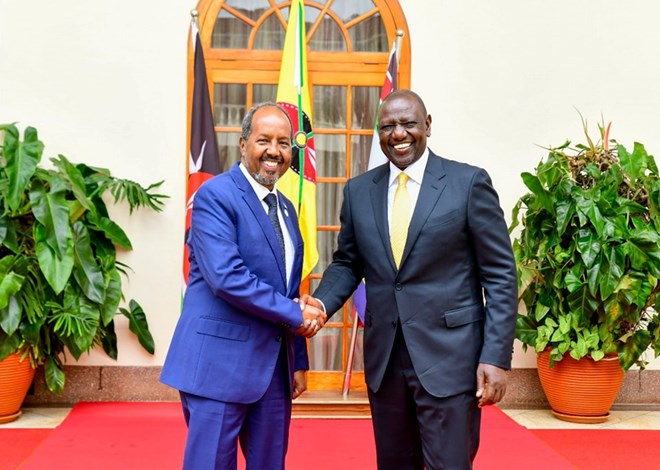 MOGADISHU (Somali Report) — Fighting in Somalia’s South West State is putting fresh strain on relations between Mogadishu and Nairobi, with Somali federal officials accusing Kenya of hosting individuals they suspect of fuelling the conflict.
At the centre of the dispute is former South West State president Abdiaziz Hassan Mohamed Laftagareen, who is living in Kenya while forces loyal to him battle federal troops and those backing the administration led by Sheikh Adan Mohamed Nur, known as Adan Madobe.
Kenyan newspaper The Standard reported that the tensions could affect security cooperation, diplomatic relations and trade between the neighbouring countries, particularly Kenya’s lucrative khat exports to Somalia.
Somalia’s House of the People Speaker, Abdulkadir Mohamed Nur, has urged the federal government to seek answers from Kenya through diplomatic channels over the presence of individuals whom Mogadishu accuses of contributing to the renewed fighting around Baidoa, the South West State capital.
“We must demand an explanation from Kenya through diplomatic channels regarding Nairobi’s role in the fighting that has resumed in areas surrounding Baidoa,” Nur said.
On October 13, Somalia’s federal government added Laftagareen and nine other individuals to its national financial sanctions list, accusing them of links to Al-Shabaab and financing terrorism.
The decision directed banks and financial institutions to freeze their assets and halt related transactions.
Laftagareen and his supporters have rejected allegations of cooperation with Al-Shabaab, instead blaming the federal government for the conflict.
Somali Report · Newsletter
Your morning briefing on Somalia's biggest stories — politics, security, business, and the people shaping the region's future.
Allegations that Kenya has supported Laftagareen’s camp, as well as claims that the United Arab Emirates has channelled funding through Kenya, have also fuelled the dispute. Those allegations have not been independently verified.
The crisis stems from the breakdown of a political alliance between Laftagareen and Somali President Hassan Sheikh Mohamud over constitutional amendments, elections and the division of powers between the federal government and regional administrations.
South West State suspended cooperation with Mogadishu on March 17, accusing the federal government of political interference. The following day, Laftagareen resigned from a senior position in Hassan Sheikh’s Justice and Solidarity Party.
The dispute escalated after commercial flights between Mogadishu and Baidoa were suspended and fighting broke out. On March 28, Laftagareen held a regional parliamentary election after the federal government declared his administration’s mandate had expired. Mogadishu rejected the vote.
Federal troops took control of Baidoa on March 30, forcing Laftagareen to announce his resignation before travelling to Kenya. The regional assembly subsequently elected Adan Madobe president on June 10, but Laftagareen later withdrew his resignation and rejected the new administration, deepening the dispute over political legitimacy.
Fighting intensified around Baidoa in September and October, with forces loyal to Laftagareen reportedly making advances across the Bay region, including in Qansahdhere, Buurhakaba, Berdaale, Diinsoor and Awdiinle. Reports of territorial changes have varied, and the situation remains fluid.
The struggle for control of roads leading into Baidoa has also raised concerns about civilian safety and humanitarian access. Disruptions to transport routes could affect food supplies, local trade and the delivery of aid, while renewed fighting risks forcing more residents to flee their homes.
The dispute now threatens to extend beyond Somalia’s internal political divisions, placing additional pressure on relations with Kenya at a time when both countries have security and economic interests in maintaining cooperation.
About the Author
Ahmed Omar is a senior journalist for Somali Report, based in Mogadishu. He has two decades of experience reporting on Somalia for international and local media. He covers politics, security, governance, business, trade, economic developments and regional affairs.
