Somalia has warned that growing military and technical cooperation between Yemen's Houthis and Al-Shabaab could give the Al-Qaeda-linked group access to advanced weapons, drone technology and military expertise, raising concerns over regional security.
 MOGADISHU (Somali Report) – Somalia's federal government has warned that expanding military and technical cooperation between Yemen's Houthi movement and Al-Shabaab could enable the Al-Qaeda-linked militant group to carry out more sophisticated and deadly attacks.
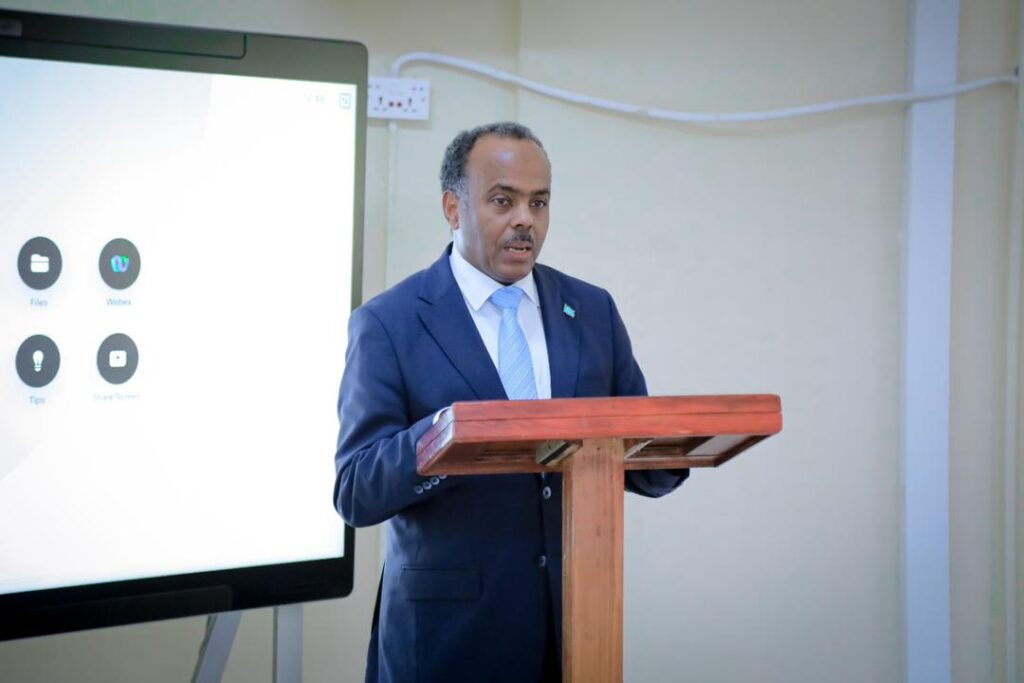
Ali Mohamed Omar, Somalia's state minister for foreign affairs and international cooperation, told TRT World that the two groups were cooperating on technical matters despite differences in their ideologies and political beliefs.
Omar, widely known as Ali Balcad, said Al-Shabaab lacked some of the technical expertise possessed by the Houthis, warning that assistance from the Yemeni movement could give the militants access to more advanced weapons and technology.
Such cooperation could pose an additional threat to civilians and Somali government forces, he said.
The minister also said Yemen had long served as a transit route for illegal weapons entering Somalia, with arms-smuggling networks operating between the two countries before the emergence of the Houthis.
But the current concern, he said, centred on reports that relations between the groups were moving beyond weapons trafficking towards military training and the transfer of technical expertise.
The warning comes amid growing concerns among security analysts about the expanding relationship between the two groups and its potential implications for security in the Horn of Africa and the wider Red Sea region.
A February 2026 report by the Mogadishu-based Saldhig Institute said cooperation between the Houthis and Al-Shabaab had developed political, media and direct military dimensions. The Wall Street Journal reports that Yemen’s Houthis and Somalia’s Al-Shabaab have deepened secret military cooperation involving weapons, training and operations.
According to the report, their relationship initially involved intelligence sharing and facilitating maritime movements before expanding into logistical and technical cooperation, creating opportunities for both groups to benefit from each other's capabilities.
Somali Report · Newsletter
Your morning briefing on Somalia's biggest stories — politics, security, business, and the people shaping the region's future.
The report's author, Hussein Sheikh Ali, a former national security adviser to Somalia's president, said what had previously been limited to meeting specific operational needs and weapons smuggling had evolved into a more organised partnership.
In an article published by The Africa Report on February 17, he described the emerging relationship as strategic cooperation that should concern regional security stakeholders.
The institute's assessment said shared interests had played a significant role in bringing the groups closer, with ideological differences failing to prevent cooperation in weapons, logistics and intelligence.
Drone warfare concerns
One of the main concerns is the possibility that Al-Shabaab could acquire expertise to use unmanned aerial vehicles for offensive operations.
A report published by United Nations experts monitoring Yemen in October 2025 cited information from confidential sources alleging that the Houthis had trained Al-Shabaab members in drone technology and advanced explosive-device manufacturing techniques.
Al-Shabaab has previously used drones for reconnaissance and monitoring the movements of government forces. However, security experts have warned that access to Houthi training and technical expertise could help the group develop its ability to deploy drones in attacks.
Such a development could introduce new methods of targeting military personnel and civilian locations, adding pressure on Somalia's efforts to strengthen national security.
The extent of any transfer of advanced weapons and technology between the two groups remains unclear.
About the Author
Ahmed Omar is a senior journalist for Somali Report, based in Mogadishu. He has two decades of experience reporting on Somalia for international and local media. He covers politics, security, governance, business, trade, economic developments and regional affairs.
