Somalia says it will not allow its territory, ports or airspace to be used to fuel conflicts in Yemen and Sudan, as a diplomatic dispute with the UAE escalates.
 MOGADISHU (Somali Report) — Somalia will not allow its territory, ports or airspace to be used to fuel conflicts in Yemen, Sudan or elsewhere, a senior presidential adviser said, as a diplomatic dispute with the United Arab Emirates continues to escalate.
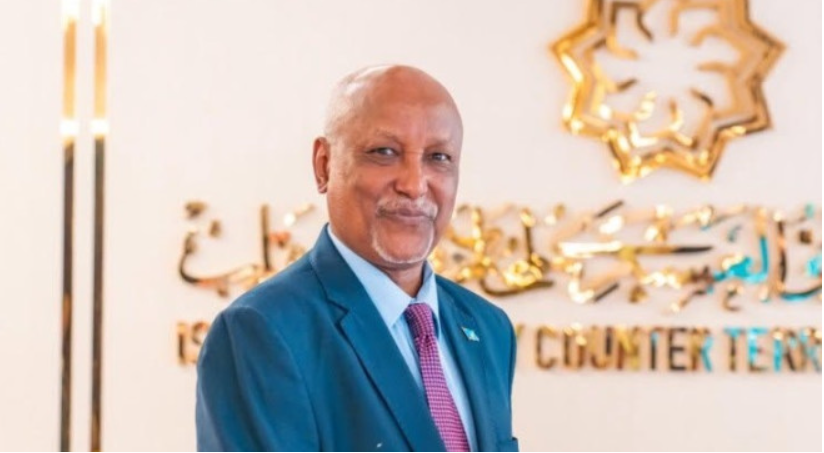
Aweys Haji Yusuf Ahmed, national security adviser to President Hassan Sheikh Mohamud, said Mogadishu's concerns were rooted in protecting the country's sovereignty, territorial integrity, state institutions and national security.
In a statement posted on X, Aweys said relations between the two countries must be based on mutual respect, sovereign equality and non-interference in each other's internal affairs.
He stressed that Somalia's grievances should be addressed through diplomatic dialogue, security discussions and legal mechanisms rather than being characterised as domestic political disputes.
His remarks were a response to a statement by the UAE foreign ministry condemning Somalia's decision to expel the Emirati ambassador and recall its own envoy from Abu Dhabi.
The UAE described the measures as an escalation that threatened bilateral relations and undermined the foundations of cooperation between the two countries. It also accused the Somali government of allowing internal political disagreements to spill over into diplomatic relations, warning that this could harm the interests of both populations.
The diplomatic row intensified earlier this week after Hassan accused the UAE of establishing military bases in parts of Somalia and deploying forces outside the country's national security framework and without federal government authorisation.
On Thursday, Somalia ordered the UAE ambassador to leave the country and recalled its ambassador to Abu Dhabi for consultations, marking a significant deterioration in relations between the two countries.
The latest measures followed Mogadishu's decision earlier this year to cancel all agreements with the UAE and ban Emirati military and cargo aircraft from using Somali airspace.
Somali Report · Newsletter
Your morning briefing on Somalia's biggest stories — politics, security, business, and the people shaping the region's future.
Hassan has repeatedly said Somalia remains open to maintaining relations with the UAE, but insisted that any partnership must respect the sovereignty and equality of both countries.
Relations between Mogadishu and Abu Dhabi have experienced repeated periods of tension and reconciliation in recent years, with the latest deterioration gathering pace since January, when Somalia accused the Gulf state of interfering in its internal affairs.
The dispute is not the first major diplomatic confrontation between the two countries.
In April 2018, Somali authorities seized $9.6 million found aboard an Emirati aircraft that landed at Mogadishu airport, triggering a diplomatic dispute.
At the time, Abu Dhabi said the money was intended to support Somali security forces and fund military training. The UAE condemned the seizure, while Mogadishu said the funds had not been properly declared.
Following the incident, the UAE ended its military training programme in Somalia and rejected accusations that it was interfering in the country's domestic affairs.
The latest confrontation comes amid wider regional tensions involving the Horn of Africa and the Arabian Peninsula, where competing security and political interests have increasingly complicated relations between regional governments.
Somalia's latest statements suggest that control over its territory, airspace and security arrangements will remain central to its diplomatic position as the dispute with the UAE unfolds.
About the Author
Ahmed Omar is a senior journalist for Somali Report, based in Mogadishu. He has two decades of experience reporting on Somalia for international and local media. He covers politics, security, governance, business, trade, economic developments and regional affairs.
