Bosaso Port, Somalia’s third-largest commercial gateway, has remained closed for ten days as traders protest new Puntland taxes and DP World port fees, disrupting trade, closing markets, and raising fears of shortages and wider economic damage across northeastern Somalia.
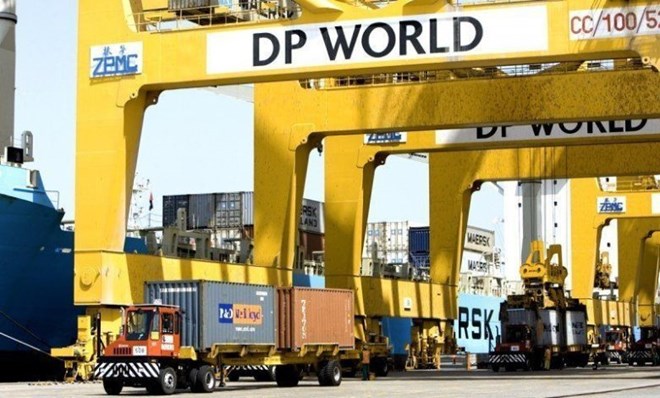 BOSASO (Somali Report) — Commercial operations at Bosaso Port have remained suspended for a tenth consecutive day as traders continue protesting new taxes and port service fees introduced by the Puntland government and port operator DP World, disrupting trade and raising concerns over the economic impact across northeastern Somalia.
The strike has brought one of Puntland’s most important economic lifelines to a standstill, with traders refusing to resume operations until authorities review the new charges. Markets across Bosaso have also closed in solidarity with the protest, amplifying fears of supply shortages and rising prices for essential goods.
Jama Hurre, a businessman in Bosaso, said traders are not opposed to paying statutory government taxes but reject what they describe as additional port service charges introduced at a time when businesses are already struggling with inflation, prolonged drought, and broader economic hardship.
“We are not refusing to pay taxes,” Hurre said. “What we oppose are the extra service fees that are increasing the cost of doing business and ultimately driving up prices for ordinary consumers.” He added this while speaking to Somali local media.
He warned that if the dispute remains unresolved, demonstrations could spread beyond Bosaso to other parts of Puntland that depend on the port for imports and exports.
According to Hurre, traders have held several rounds of negotiations with Puntland officials but have yet to reach an agreement. He accused the regional administration of failing to make sufficient efforts to resolve the dispute before it escalated into a prolonged shutdown.
The continued closure has already interrupted the movement of imported goods and livestock exports, with business leaders warning that extended disruption could trigger shortages of food, fuel, and other essential commodities throughout Puntland.
Hurre called on Puntland President Said Abdullahi Deni and his administration to urgently resume negotiations with the business community in an effort to restore normal port operations.
Puntland Defends New Charges
Puntland authorities have defended the new fee structure, arguing that the additional revenue is necessary to finance the ongoing expansion and modernization of Bosaso Port.
Deputy Finance Minister Ahmed Yasin Saleh said the government deliberately postponed implementation of the increases for more than two years in recognition of the difficult economic conditions facing traders.
“The fees are part of the agreement supporting the expansion and modernization of Bosaso Port,” Saleh said.
According to Saleh, the first phase of the development project was completed between January and December 2023 and included construction of a new 150-meter quay, rehabilitation of sections of the existing port, expansion of berthing facilities, modernization of lighting systems, dredging of the navigation channel, and delivery of new port equipment.
He said the equipment includes a tugboat valued at approximately US$5 million as well as modern cargo-handling cranes intended to improve operational efficiency.
Saleh added that preparations are underway for a second phase of development, which is expected to include construction of a new 300-meter terminal and a dedicated livestock export corridor.
He urged traders to comply with the new fee structure, warning that disrupting revenue collection could delay infrastructure investment and undermine Puntland’s long-term economic development.
Earlier Worker Dispute Also Halted Operations
Somali Report · Newsletter
Your morning briefing on Somalia's biggest stories — politics, security, business, and the people shaping the region's future.
The current standoff follows an earlier disruption this year when Bosaso Port temporarily ceased operations after DP World introduced new workplace policies affecting port employees.
According to multiple local media reports, the company directed all dock workers to purchase newly mandated work uniforms costing nearly US$100, a price many workers said they could not afford.
Workers also questioned the practicality of some safety equipment, particularly helmets, saying they were incompatible with the traditional practice of carrying cargo on their heads.
DP World also revised its worker identification card policy. Under the new system, identification cards remain valid for one year instead of six months but require workers to pay a fee of US$14.
Port labourers have previously opposed identification card fees, and similar measures have triggered demonstrations in the past.
Tensions were further heightened after reports that 14 port employees had been notified that their contracts would be terminated, raising concerns over employment security and labour conditions.
At the time of the dispute, DP World had not publicly responded to workers’ grievances or indicated when normal operations would resume.
DP World Investment in Bosaso
DP World and the Puntland government signed an agreement in December 2022 to expand and upgrade Bosaso Port under a major infrastructure investment programme.
The initial 12-month project included construction of a new 150-meter quay, rehabilitation of the existing 215-meter quay, development of a 3,000-square-meter container yard, construction of a 4,000-square-meter container stripping yard, and improvements to the port’s entrance and access control facilities.
It remains unclear whether the 150-meter quay referenced by Puntland officials is the same structure completed under the original DP World development agreement.
Strategic Importance in the Horn of Africa
Bosaso is one of only two commercial seaports in the Horn of Africa currently managed by DP World. The company also operates Berbera Port in Somaliland under a long-term concession signed in 2016.
DP World says its investments are intended to transform both ports into regional logistics hubs by expanding cargo capacity, improving maritime infrastructure, and strengthening trade corridors serving the Horn of Africa and landlocked Ethiopia.
The company says the projects are designed to increase cargo volumes, attract investment, improve logistics efficiency, and strengthen regional commerce through modern port infrastructure.
The ongoing shutdown at Bosaso, however, illustrates the challenges that can accompany major infrastructure investments when governments, private operators, traders, and workers disagree over the costs of modernization.
With negotiations yet to produce a breakthrough, businesses and consumers across Puntland are increasingly concerned that a prolonged disruption at the port could have significant economic consequences for one of Somalia’s most important trading gateways.
About the Author
Aden Warsame is a Senior Reporter at Somali Report, covering politics, security, diplomacy, business, and regional affairs across Somalia and the Horn of Africa.
Somalia condemns Houthi attacks on Saudi Arabia, warns of regional security threat


