Uganda has begun withdrawing troops deployed in Somalia under bilateral security arrangements, with plans to pull out all its forces, including those serving under the African Union mission, by the end of 2027.
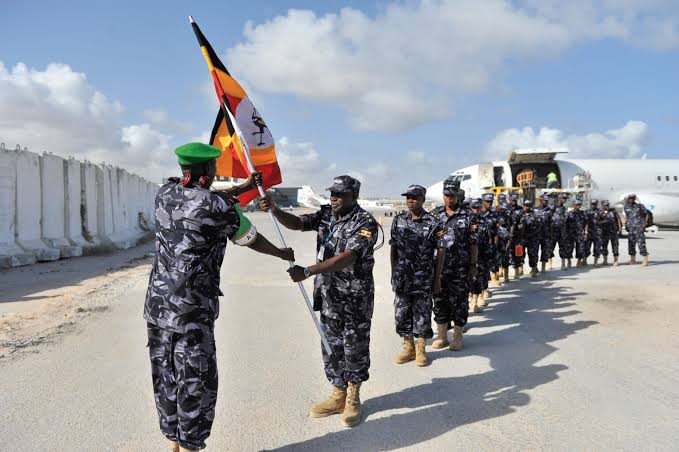
The Uganda People’s Defence Forces (UPDF) said the withdrawal took effect immediately, with the first group of soldiers already returning home as part of a phased operation expected to be completed within the coming days.
The announcement signals a significant shift in Uganda’s military engagement in Somalia, where its forces have played a central role in supporting successive government administrations and international efforts to combat Al-Shabaab militants.
In a statement, the UPDF said it had commenced the withdrawal of troops deployed under bilateral arrangements with the Federal Government of Somalia, adding that the initial contingent had already arrived back in Uganda.
The military did not disclose the number of soldiers involved in the first phase or provide details about the size of the remaining bilateral force.
The withdrawal of the bilaterally deployed troops is separate from Uganda’s participation in the African Union Support and Stabilization Mission in Somalia (AUSSOM), the African Union-led operation tasked with supporting Somali security forces and protecting key government institutions.
However, Kampala has also announced plans to gradually withdraw all its forces serving under the AU mission by the end of 2027.
If completed as planned, the move will bring to a close approximately 20 years of Ugandan military involvement in Somalia, beginning with the deployment of African Union peacekeepers in 2007.
Uganda was the first country to deploy troops under the African Union Mission in Somalia (AMISOM), the predecessor to the current AUSSOM mission. Its forces have since been among the largest contributors to international security operations in the Horn of Africa nation.
Somali Report · Newsletter
Your morning briefing on Somalia's biggest stories — politics, security, business, and the people shaping the region's future.
Ugandan troops have participated in major military operations against Al-Shabaab, helped secure strategic locations in Mogadishu and supported efforts to expand the federal government's authority beyond the capital.
Their presence has also been central to protecting key installations, including government buildings and other strategic infrastructure, during periods of heightened insecurity.
The planned withdrawal comes as Somalia continues efforts to strengthen its national security institutions and gradually assume greater responsibility for operations against Al-Shabaab, which remains a significant threat despite years of military campaigns.
The UPDF said the departure of its forces would allow the Somali Armed Forces to take full responsibility for the country's security.
However, the transition is expected to place additional pressure on Somali security forces as they work to consolidate gains against the militant group and address persistent security challenges across the country.
Uganda's decision also comes amid broader changes to the African Union's security presence in Somalia, including the transition from AMISOM to AUSSOM and continuing discussions over troop contributions, funding and the future of international military support.
The withdrawal timeline means Ugandan forces are expected to remain part of the AU-led security mission for more than a year, even as the separate bilateral deployment comes to an end in the coming days.
Uganda has been one of Somalia's longest-standing security partners, with successive deployments spanning multiple Somali administrations and major phases of the country's conflict.
The end of its military presence by December 2027 would mark a historic turning point in Somalia's security transition, although the success of that process will depend heavily on the operational capacity, funding and readiness of Somali forces to independently defend the country.
About the Author
Ahmed Omar is a senior journalist for Somali Report, based in Mogadishu. He has two decades of experience reporting on Somalia for international and local media. He covers politics, security, governance, business, trade, economic developments and regional affairs.
