UN Secretary-General Antonio Guterres has pledged continued UN engagement in Somalia following the closure of UNTMIS, promising support for peace, stability, human rights and sustainable development.
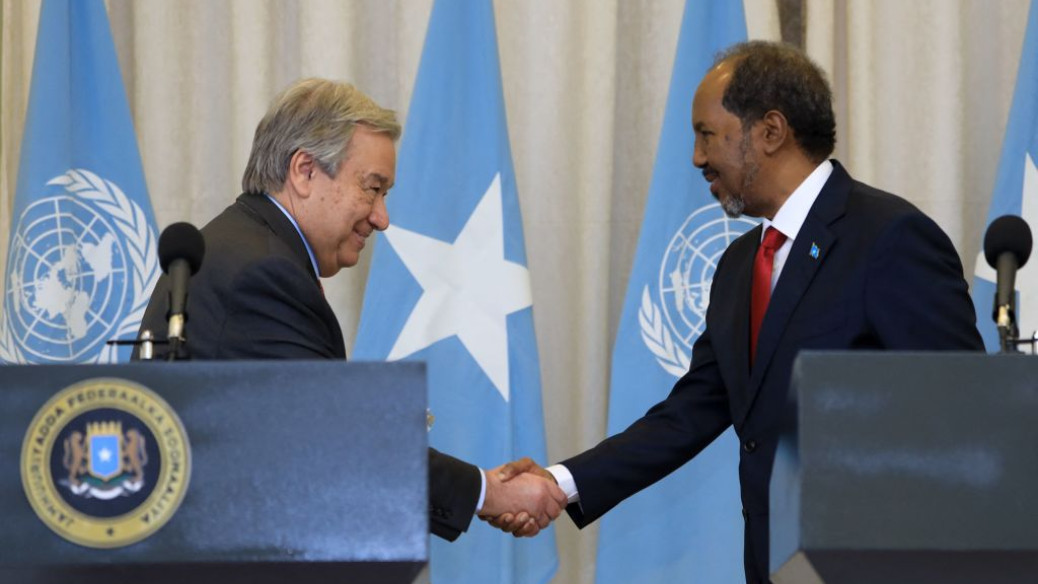 MOGADISHU (Somali Report) — United Nations Secretary-General Antonio Guterres has pledged continued UN support for Somalia following the conclusion of the organisation's political mission in the country, saying it would remain engaged in efforts to promote peace, stability, human rights and sustainable development.
In a statement posted on his X account on Saturday, October 31, Guterres said the United Nations would continue working with Somalia through its country-based agencies, funds and programmes, in cooperation with the federal government and international partners.
His remarks came as the UN Transitional Assistance Mission in Somalia (UNTMIS) formally concluded its mandate, marking the end of a political mission that had supported the country's state-building and peacebuilding efforts during a critical period of transition.
"Following the conclusion of UNTMIS, the United Nations will continue to support Somalia in peace, stability, human rights and sustainable development," Guterres said.
The UN chief praised the progress Somalia had made over the years, commending the determination and resilience of its people despite persistent political, security and humanitarian challenges.
He also expressed gratitude to the personnel who served in UNTMIS and its predecessor missions, acknowledging their contributions to international efforts to support Somalia's recovery and institutional development.
Guterres called on the international community to maintain its engagement with Somalia, warning that the country's continuing challenges required sustained international assistance and cooperation.
He said support from international partners remained essential to consolidate the progress achieved, promote inclusive political dialogue, advance national reconciliation, strengthen state institutions and protect human rights.
Somalia continues to face multiple challenges, including an ongoing insurgency by Al-Shabaab, political disagreements over constitutional and electoral arrangements, recurrent humanitarian emergencies and difficulties in extending government authority across the country.
Somali Report · Newsletter
Your morning briefing on Somalia's biggest stories — politics, security, business, and the people shaping the region's future.
The conclusion of UNTMIS represents a significant change in the UN's political engagement in Somalia, although it does not signal the end of the organisation's presence or assistance.
The mission was established as part of a gradual transition in the UN's engagement with Somalia, reflecting the country's progress in rebuilding national institutions and assuming greater responsibility for its political and security affairs.
Its closure follows years of international involvement in Somalia, where successive UN missions supported reconciliation efforts, political transitions, constitutional development, institutional reforms and the strengthening of federal governance.
The UN will now rely increasingly on its agencies, funds and programmes operating in the country to deliver development, humanitarian and peacebuilding assistance.
These include organisations working on food security, healthcare, education, protection of vulnerable communities and support for displaced people affected by conflict and climate-related disasters.
The transition also comes as Somalia seeks to strengthen its security institutions and take greater responsibility for fighting Al-Shabaab, with international forces gradually transferring security duties to Somali forces.
Guterres's message underscores the UN's intention to maintain its partnership with Mogadishu despite the closure of its dedicated political mission.
For Somalia, the challenge will be to sustain the progress made during years of international engagement while addressing unresolved political disputes, security threats and humanitarian needs.
The UN has repeatedly stressed that lasting stability in Somalia will depend on inclusive governance, effective institutions, national reconciliation and continued cooperation between Somali authorities and international partners.
About the Author
Ahmed Omar is a senior journalist for Somali Report, based in Mogadishu. He has two decades of experience reporting on Somalia for international and local media. He covers politics, security, governance, business, trade, economic developments and regional affairs.
