UN Secretary-General Antonio Guterres has called on the international community to sustain its support for Somalia following the closure of UNTMIS, stressing the need to strengthen state institutions, promote political dialogue and support peace and stability.
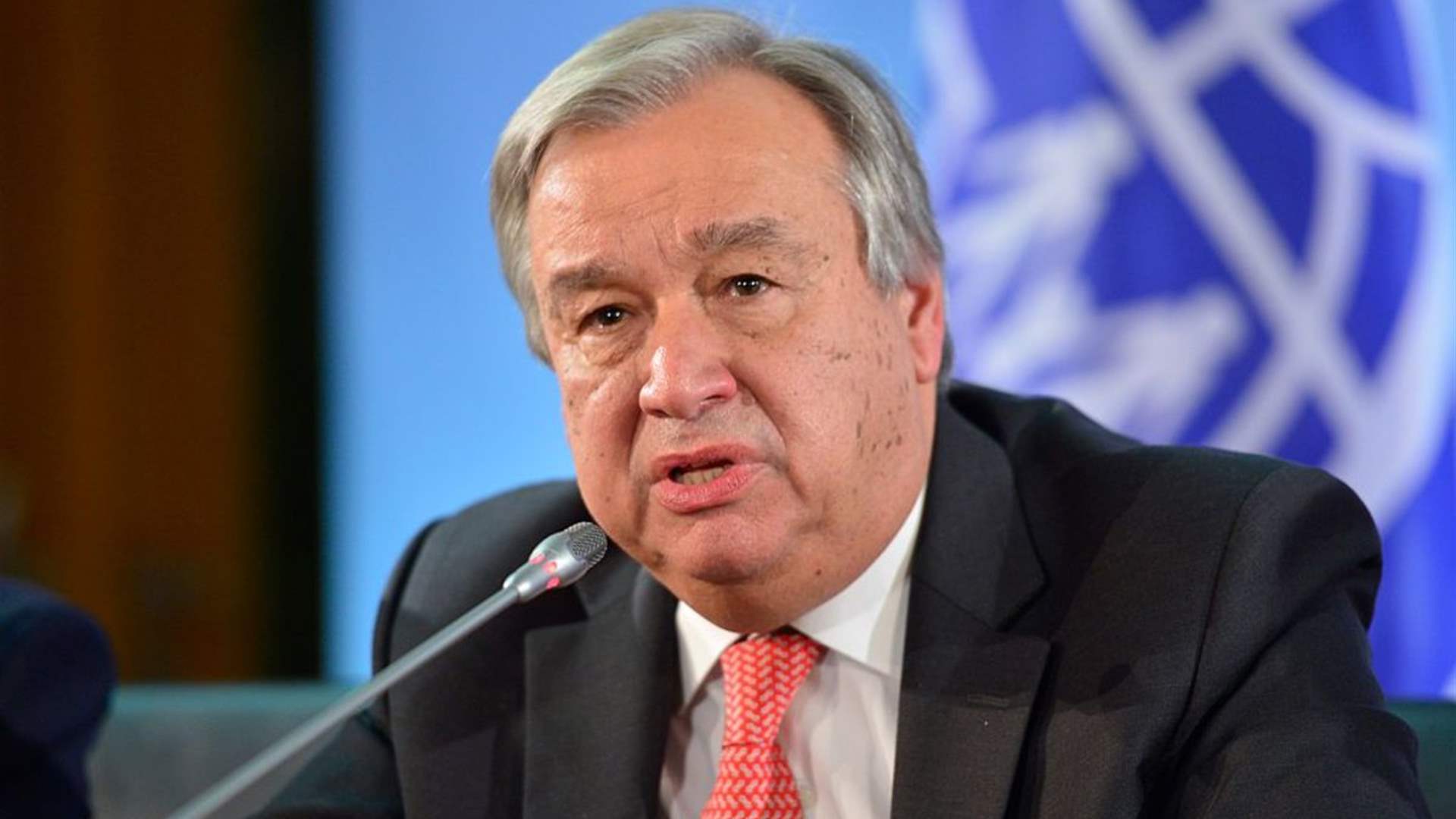 NEW YORK (Somali Report) — United Nations Secretary-General Antonio Guterres has called on the international community to maintain its support for Somalia following the conclusion of the UN political mission in the country, warning that continued assistance remains essential as the country faces political, security, humanitarian and development challenges.
In a message posted on X, Guterres said international support would be critical to preserving Somalia’s progress, strengthening state institutions and advancing inclusive political dialogue and national reconciliation.
He stressed that the end of the United Nations Transitional Assistance Mission in Somalia (UNTMIS) did not mean the United Nations was ending its engagement with the country.
"The United Nations will continue supporting Somalia through its agencies, funds and programmes," Guterres said, adding that the organisation would work closely with the Somali government and international partners.
The secretary-general also highlighted the importance of sustained efforts to protect human rights, strengthen peace and promote stability, describing them as key areas requiring continued international attention and cooperation.
His remarks come as Somalia enters a new phase in its relationship with the United Nations following the formal conclusion of UNTMIS on October 31.
The mission was established as part of a transition in the UN's political engagement with Somalia, replacing the United Nations Assistance Mission in Somalia (UNSOM) and supporting the country's efforts to strengthen governance, advance constitutional and political processes, and build national institutions.
Somali Report · Newsletter
Your morning briefing on Somalia's biggest stories — politics, security, business, and the people shaping the region's future.
Guterres praised the progress made by Somalia and commended the resilience of its people, acknowledging the challenges the country has faced over decades of conflict, political instability and humanitarian crises.
He also expressed gratitude to UNTMIS personnel and staff who served in previous United Nations missions in Somalia, recognising their contribution to international efforts to support the country's recovery and state-building process.
The closure of UNTMIS marks the end of more than three decades of successive UN political missions in Somalia, reflecting a shift in the organisation's approach as the country assumes greater responsibility for its political and institutional affairs.
However, the United Nations is expected to maintain its presence through its specialised agencies and programmes, which continue to support humanitarian operations, development initiatives, peacebuilding and institutional capacity-building.
Somalia continues to face significant challenges, including persistent insecurity linked to Al-Shabaab, political disagreements over constitutional and electoral arrangements, recurrent droughts, displacement and limited access to basic services.
The transition comes at a critical time for the country, as federal authorities seek to consolidate security gains, strengthen public institutions and advance political reforms amid disagreements between the federal government and opposition groups over the country's future political direction.
Guterres' appeal underscores the importance of sustained international engagement as Somalia moves beyond the UN political mission framework while continuing to rely on external partnerships to support peace, stability and long-term development.
About the Author
Ahmed Omar is a senior journalist for Somali Report, based in Mogadishu. He has two decades of experience reporting on Somalia for international and local media. He covers politics, security, governance, business, trade, economic developments and regional affairs.
