The UN Security Council and African Union have urged Somalia to strengthen its national security institutions and gradually assume responsibility for national security as the AUSSOM mission transitions.
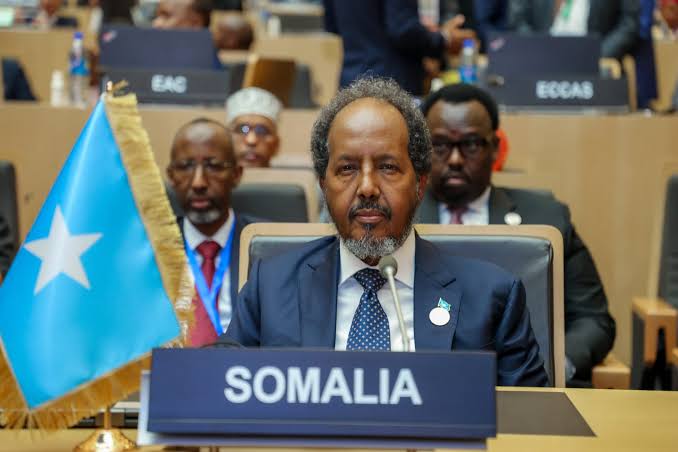
In a joint communiqué issued after a meeting in New York on October 23, the two councils welcomed progress made by Somali security forces and the African Union Support and Stabilization Mission in Somalia (AUSSOM) in the fight against Al-Shabaab and efforts to improve stability.
The councils said the transition of security responsibilities from AUSSOM to Somali forces must be carried out in a coordinated, systematic and phased manner, allowing the federal government to gradually assume greater responsibility for protecting the country.
They emphasised the need for a clear framework to strengthen Somalia’s security institutions, including building their operational capabilities and ensuring they have the resources required to take over responsibilities currently supported by international forces.
The joint statement also called for the identification and confirmation of sustainable funding sources and future support for AUSSOM, highlighting the importance of securing the mission's resources as it continues to support Somalia's security transition.
The appeal comes as Somalia faces the challenge of expanding the capacity of its national forces while continuing military operations against Al-Shabaab, the Al-Qaeda-linked militant group that has waged an insurgency for more than 15 years.
The group continues to carry out attacks against security forces, government institutions and civilians, particularly in central and southern Somalia, despite repeated military offensives by Somali forces and their international partners.
Somali Report · Newsletter
Your morning briefing on Somalia's biggest stories — politics, security, business, and the people shaping the region's future.
The two councils praised countries contributing troops and police personnel to the African Union mission, acknowledging the sacrifices made by soldiers and other mission staff who have lost their lives while carrying out their duties in Somalia.
They also reaffirmed their support for Somalia’s sovereignty, unity and territorial integrity, underlining the importance of continued international assistance to the country's efforts to achieve lasting peace and security.
AUSSOM replaced the African Union Transition Mission in Somalia (ATMIS) in January 2025, continuing the African Union's security support as Somali forces gradually assume greater responsibility for operations against Al-Shabaab.
The mission operates with support from international partners and troop-contributing countries. Its effectiveness depends on sustained financial, logistical and operational backing, as well as progress in developing Somalia's own security institutions.
The transition has remained a major challenge, with Somalia seeking to build a capable national force while facing persistent militant attacks, resource constraints and political disagreements that have complicated broader state-building efforts.
The October 23 meeting was part of the 20th annual consultative meeting between the UN Security Council and the African Union Peace and Security Council. The discussions covered security and political developments in several African countries, including Somalia.
The two bodies said continued cooperation between the United Nations, the African Union and Somalia's international partners would remain important in supporting the country's stability and long-term security.
About the Author
Ahmed Omar is a senior journalist for Somali Report, based in Mogadishu. He has two decades of experience reporting on Somalia for international and local media. He covers politics, security, governance, business, trade, economic developments and regional affairs.
