A pro-Houthi cyber group has claimed responsibility for hacking Somaliland’s Ministry of Foreign Affairs and Central Bank websites, replacing their homepages with political messages. Cybersecurity experts say there is no evidence that sensitive government or banking data was compromised, as investigations continue.
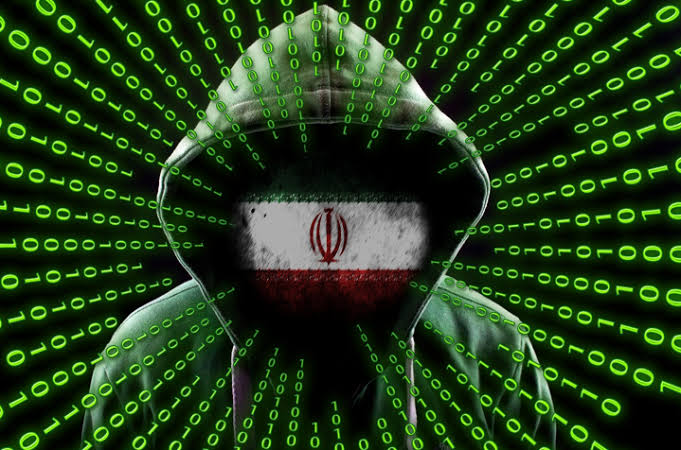 HARGEISA (Somali Report) — A cyber group identifying itself as the Islamic Cyber Resistance Axis has claimed responsibility for hacking the official websites of Somaliland’s Ministry of Foreign Affairs and the Central Bank, replacing their homepages with political messages and images linked to Yemen’s Houthi movement.
The websites appeared to have been defaced between June 29 and July 2, with visitors redirected to pages displaying images of Houthi figures and slogans associated with the Iran-aligned “Axis of Resistance.”
Screenshots of the compromised websites were later shared on X by the group, which claimed the operation was carried out in support of the Palestinian cause and in opposition to Somaliland’s growing relationship with Israel.
Somali Report has not independently verified the group’s claim, and there is currently no confirmed evidence directly linking the hackers to the Houthi movement.
The incident comes months after Israel became the first United Nations member state to formally recognize Somaliland as an independent state. Since then, Somaliland and Israel have established diplomatic relations, opened embassies, and announced cooperation in areas including security, technology, agriculture, healthcare, and investment.
The Houthis have repeatedly condemned Israel’s presence in Somaliland, warning that any Israeli military or intelligence activity in the territory would be considered a legitimate target because of Somaliland’s strategic location near the Bab el-Mandeb Strait, one of the world’s busiest maritime corridors.
Although the cyberattack has drawn significant attention, cybersecurity experts say the incident appears to have been limited to public-facing websites.
Speaking to Somali Report, cybersecurity specialist Bashir Hashi Dhoore, founder and chief executive of CyberBridge Institute, said website defacement should not be confused with a breach of sensitive government or banking systems.
“A bank website being defaced and displaying unauthorized images does not mean the bank’s data has been stolen,” Dhoore said. “A website is not where banking information is stored.”
Somali Report · Newsletter
Your morning briefing on Somalia's biggest stories — politics, security, business, and the people shaping the region's future.
He added that even organizations with strong cybersecurity defenses can experience website defacement.
“Incidents like this can happen to any country or company. They are not an accurate measure of a nation’s cybersecurity capability. Even when everything has been implemented correctly, attacks can still occur.”
Dhoore said investigations are needed before conclusions are drawn about the scope of the incident.
“As they respond to this incident, I wish Somaliland all the best,” he said.
Cybersecurity analysts describe website defacement as one of the most common forms of politically motivated cyber activity. Such attacks typically aim to spread propaganda, embarrass governments, or attract media attention rather than compromise internal systems.
At the time of publication, there was no evidence that the Central Bank’s financial operations, customer information, or internal government networks had been affected.
Somaliland authorities had not issued an official public statement on the incident, although technical teams were understood to be working to restore the affected websites.
The incident highlights the growing cyber dimension of geopolitical tensions in the Horn of Africa and the Red Sea, where disputes over Somaliland’s diplomatic recognition, Israel’s regional engagement, and Houthi threats continue to intersect both online and offline.
As investigations continue, it remains unclear whether the attack formed part of a broader campaign targeting Somaliland’s government infrastructure or was limited to symbolic website defacement.
About the Author
Fatuma Taxadar Yusuf is the Editor-in-Chief of Somali Report. She was the first woman to serve as an editor and media managing director in Somalia’s Puntland State. Previously, she worked with the BBC World Service and other leading media organizations in Somalia. She also serves as Deputy Chairperson of the Somalia Media Council, an independent body that regulates media standards and professional conduct in Somalia.
Mustafe Omer Re-elected for Third Term as President of Ethiopia’s Somali Region


