Uganda says it will deploy additional troops to Somalia as concerns grow over AUSSOM’s funding and future, with the African Union mission facing mounting financial and logistical challenges.
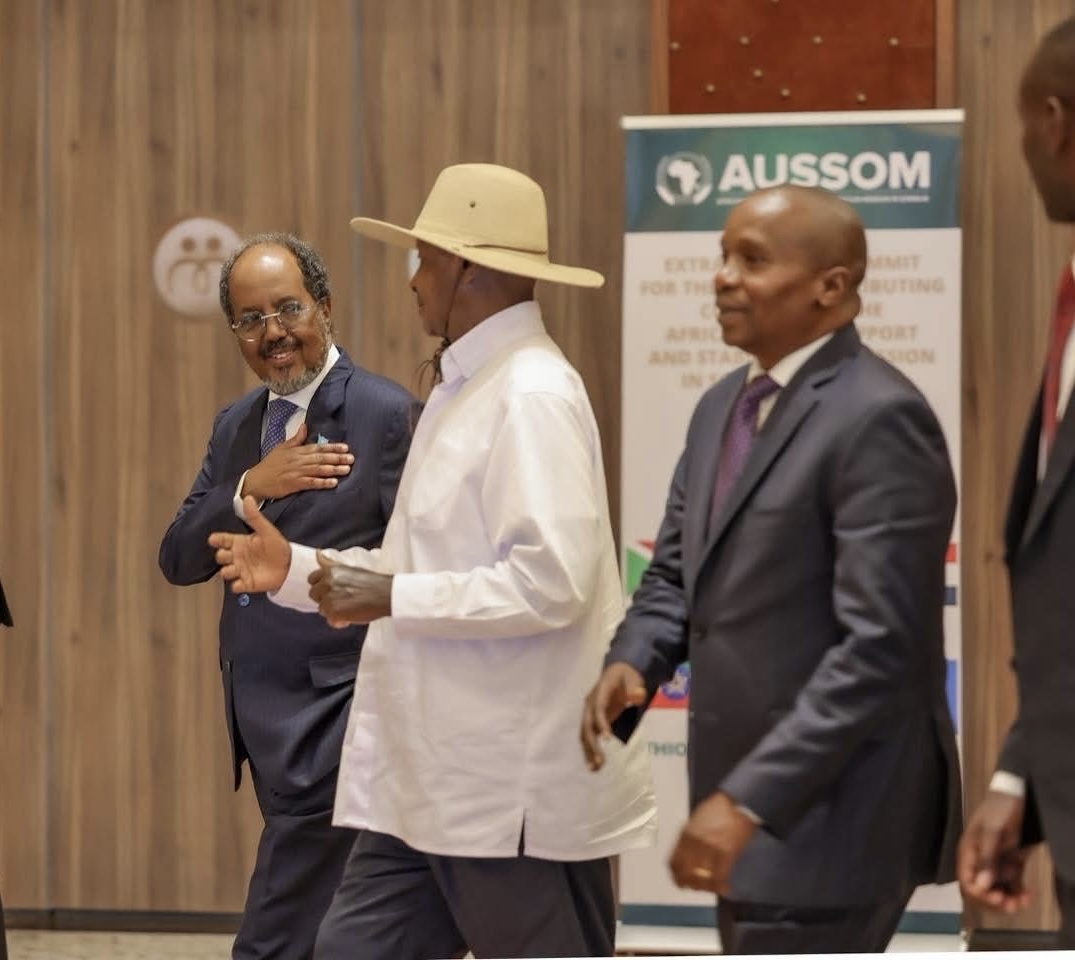 KAMPALA (Somali Report) — Uganda says it remains committed to maintaining its military presence in Somalia and plans to deploy additional troops, as concerns grow over the future of the African Union’s peacekeeping mission amid mounting financial pressures.
Uganda’s Defense Minister, Kiryowa Kiwanuka, said Kampala was determined to continue supporting security efforts in Somalia, underscoring Uganda’s long-standing role in the country and its importance to the African Union Support and Stabilization Mission in Somalia, known as AUSSOM.
The announcement comes as the African Union mission faces uncertainty over funding and its long-term role. AUSSOM is scheduled to operate under its current mandate through the end of 2026, while Somali security forces are gradually assuming greater responsibility for protecting the country and combating Al-Shabab.
Uganda has said it will send additional troops to Somalia, signaling that Kampala intends to remain a key security partner even as Somalia and the African Union consider the future structure of the mission.
Uganda was the first country to deploy troops to Somalia under the African Union mission in 2007, when the operation was known as the African Union Mission in Somalia, or AMISOM. Ugandan forces played a central role in operations against al-Shabab and in securing key population centers, including Mogadishu.
Over the years, Uganda has provided one of the largest contingents to the African Union mission and has suffered significant casualties in attacks by al-Shabab. Its troops have participated in operations aimed at weakening the militant group and supporting the Somali government’s efforts to expand state authority.
Last month, the U.S. announced it will terminate all financial and logistical support for the UN Support Office in Somalia (UNSOS) starting December 31, 2026, and will oppose any mandate renewal that includes UN logistical backing for AUSSOM, citing frustration with dawdling security reforms.
After the U.S. decision, Uganda hosted an Extraordinary Summit of the African Union Support and Stabilization Mission in Somalia (AUSSOM) troop-contributing countries from July 29 to July 31, 2026, in Kampala. The high-level meeting focused on securing long-term funding, reviewing military readiness, and addressing future operational mandates.
The current financial difficulties facing AUSSOM have raised concerns about whether the mission will have enough resources to maintain its operations and support the transfer of security responsibilities to Somali forces.
Somali Report · Newsletter
Your morning briefing on Somalia's biggest stories — politics, security, business, and the people shaping the region's future.
Uganda has called for reforms to the way AUSSOM is financed, arguing that the mission needs predictable and sustainable funding if it is to effectively support Somalia’s security transition.
The funding debate has become increasingly important as international support for African Union peace operations faces competing demands and reduced logistical assistance. Officials have warned that financial constraints could undermine the mission’s ability to maintain bases, transport troops and provide essential operational support.
Uganda hosted an Extraordinary Summit of AUSSOM troop-contributing country from July 29 to July 31, 2026, at the Speke Resort Munyonyo in Kampala. The high-level meeting focused on securing long-term funding, reviewing military readiness, and addressing future operational mandates.
For Somalia, the transition is taking place at a critical time. The government has been working to strengthen the Somali National Army and other security institutions so they can gradually take over responsibilities from foreign forces.
The transition, however, remains challenging. Al-Shabab continues to conduct attacks across parts of central and southern Somalia, including suicide bombings, ambushes and assaults on military positions. The militant group remains capable of exploiting gaps in security coverage.
Uganda’s continued involvement therefore provides an important element of continuity as Somalia prepares for a greater national role in security. Kampala’s position also suggests that any future international security arrangement is likely to continue relying on Uganda’s military experience and regional presence.
The future of AUSSOM will depend on discussions among Somalia, the African Union and international partners over funding, troop contributions and the pace of the security handover.
Uganda’s commitment to deploy additional troops could help sustain operations in the short term, but officials face pressure to establish a longer-term financing framework that can prevent disruptions as Somalia moves toward greater responsibility for its own security.
About the Author
Ahmed Omar is a senior journalist for Somali Report, based in Mogadishu. He has two decades of experience reporting on Somalia for international and local media. He covers politics, security, governance, business, trade, economic developments and regional affairs.
Ethiopia Army Chief Accuses Egypt, Sudan of Backing Armed Alliance to Oust Abiy


