Somalia’s Northeastern regional parliament has voted to strip former SSC-Khaatumo supporter Fahiima Yusuf Quuje of her parliamentary immunity after she resigned, renounced the Greater Somalia cause, and announced her return to Somaliland, deepening political tensions over Las Anod.
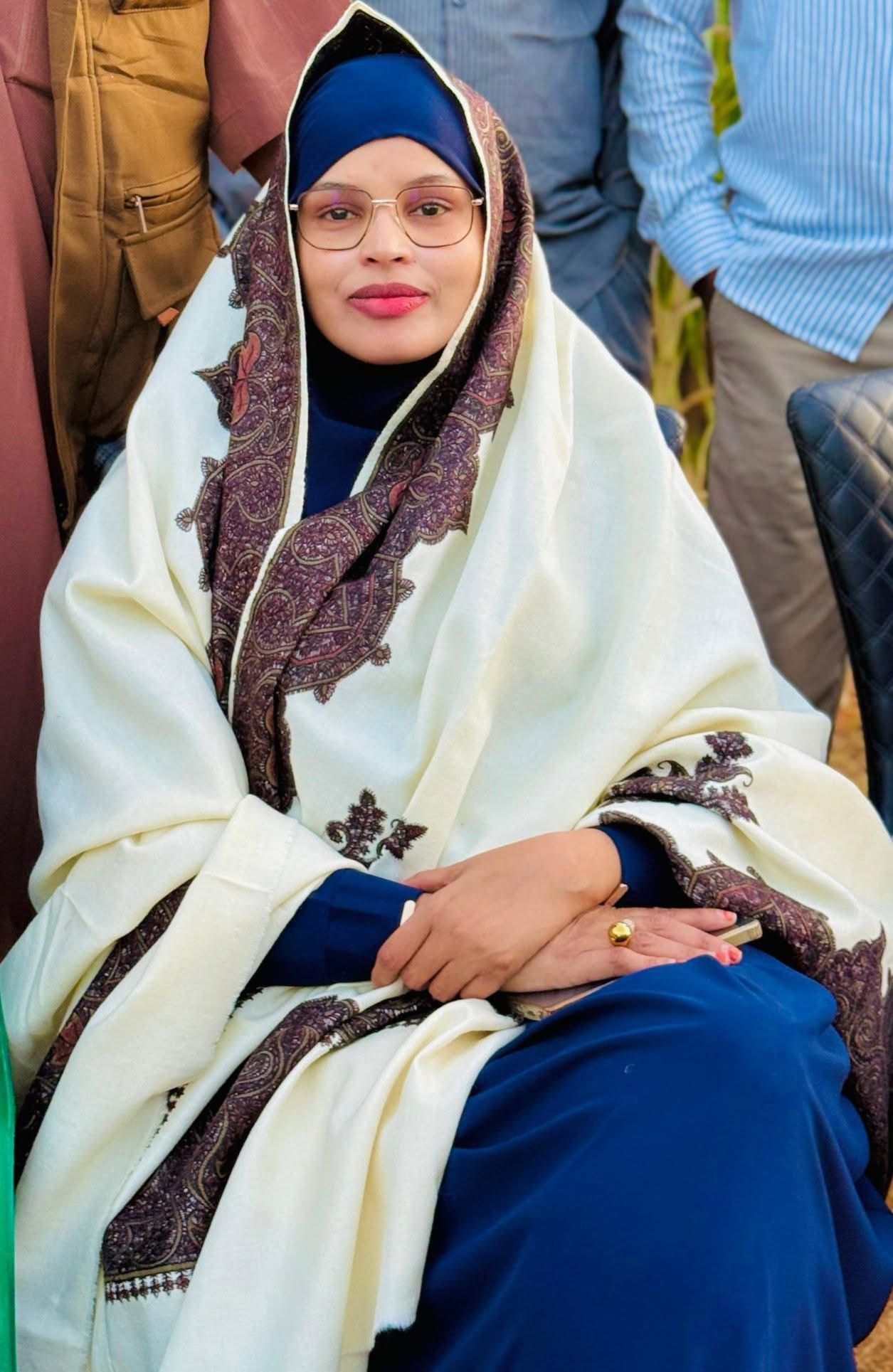 LAS ANOD, Somalia — Lawmakers in Somalia’s Northeastern State have voted to strip parliamentarian Fahiima Yusuf Quuje of her parliamentary immunity after she announced her resignation and declared that she was abandoning the Greater Somalia cause and returning to Somaliland.
The decision was taken on Saturday during a parliamentary session in Las Anod, where 56 lawmakers—representing two-thirds of the House of Representatives—voted to remove Quuje’s immunity under Article 9 of the chamber’s internal regulations.
The move came shortly after Fahiima announced her political defection in a statement circulated on social media, saying she had resigned from both her parliamentary seat and her membership in the Northeastern State legislature.
She said she had reached the conclusion that Somalia’s political actors were not genuinely working toward a common national interest and that her community faced serious challenges without a clear political solution.
“I have given up the idea for which many sons died,” she said. “Those who died are dead, and the rest should be sought for life.”
Fahiima also said she had abandoned her previous political position and decided to return to Somaliland, marking a dramatic reversal for a woman who became one of the most prominent civilian supporters of the SSC-Khaatumo movement during the conflict over Las Anod.
“I am making it clear that I have abandoned my previous position and returned to my country,” she said in a video circulated on social media.
She said her decision followed a reassessment of the political situation in her home region and the positions taken by Puntland and wider Somali political forces toward the territory.
“After seeing the position of Puntland and Somalis toward our land, I made this decision,” she said.
She said she had spent years participating in a political struggle that she initially believed was aimed at protecting her people from danger and hardship. However, she now argues that the region faces a range of serious threats that its current political leadership has failed to resolve.
“After seeing that the dangers being planned against us were greater than the work we were doing to rebuild Somaliland and lead reconciliation, I decided to return,” she said.
She has promised to provide a more detailed explanation of her decision in a forthcoming interview.
Her announcement was quickly followed by a political and legal response from the Northeastern State authorities.
The Speaker’s Office had earlier written to the Attorney General requesting that legal proceedings involving her be handled by the state’s legal authorities. The Attorney General subsequently requested that the case be transferred to the Supreme Court for review.
The legal documents refer to allegations that she committed acts said to violate the laws and constitution of the Northeastern State, but they do not provide details of the specific allegations or supporting evidence.
The parliamentary decision to remove her immunity now opens the way for further legal proceedings.
The matter was reportedly discussed as she prepared to leave the region for Somaliland. Lawmakers were also expected to consider measures concerning individuals who establish political relations with Somaliland.
The development has been welcomed by Somaliland officials.
Somaliland’s government, led by President Abdirahman Mohamed Abdullahi, known as Irro, said it welcomed her return.
Somali Report · Newsletter
Your morning briefing on Somalia's biggest stories — politics, security, business, and the people shaping the region's future.
Somaliland’s Minister of Water Development, Mohamed Abdi Malik, who comes from the Las Anod area and belongs to the Dhulbahante community, described her in highly favourable terms.
“Fahiima is a jewel. She is a diamond. She is a woman equal to a hundred men,” the minister said.
He said Somaliland welcomed anyone returning to the country and its government, adding that past disagreements should not prevent reconciliation.
“Whatever happened belongs to yesterday,” he said.
Fahiima rose to prominence during the fighting in Las Anod, becoming one of the most recognisable female civilian supporters of the SSC-Khaatumo movement.
Throughout the conflict, she publicly supported resistance to Somaliland forces, mobilised public support for local fighters, and frequently appeared alongside armed groups. Her outspoken advocacy made her one of the movement’s best-known civilian figures.
She later joined the Northeastern State parliament, representing her community as the emerging administration sought to establish political institutions in the territory.
In recent months, however, she had become increasingly critical of the administration led by President Abdulkadir Ahmed Aw-Ali Firdhiye.
She accused the administration of failing to address the challenges facing the people and territory of Las Anod and questioned the political direction of its leadership.
“When I reached the bottom of the barrel, after six years of a long struggle, war and repeated attempts that I believed were necessary to protect my people and remove the burden from them, I realised that there are now many dangers in front of us that neither I nor they can do anything about,” she said.
She also criticised what she described as the use of the region’s political future in broader political disputes.
“The dangers facing my people and my region cannot be summarised,” she said, accusing political leaders of treating the future of the territory as a tool in wider disputes involving politicians from the Darod community.
Reports indicate that she is currently in Addis Ababa, Ethiopia, and is expected to travel to Hargeisa in the coming days, where supporters are reportedly planning a reception.
Her decision has deepened political debate across the Somali territories and could have wider implications for the fragile political balance in the region.
For Somaliland, her return carries particular political significance because of her Dhulbahante background and her former role as a prominent civilian voice in the campaign against Somaliland’s control of Las Anod.
For the Northeastern State administration, her departure and the subsequent removal of her parliamentary immunity represent a challenge to political cohesion as authorities attempt to consolidate their institutions and maintain control over the territory.
Somaliland claims Las Anod and the surrounding areas as part of its territory, while the Northeastern State authorities maintain control of the city following earlier fighting between local forces and Somaliland troops.
Her political reversal has transformed her from one of the most visible civilian faces of the movement opposing Somaliland’s presence in Las Anod into a figure at the centre of a new political realignment.
Her promised interview is expected to shed further light on the reasons behind her decision, her criticisms of the Northeastern State administration, and her plans following her return to Somaliland.
About the Author
Aden Warsame is a Senior Reporter at Somali Report, covering politics, security, diplomacy, business, and regional affairs across Somalia and the Horn of Africa.
