Traditional elders in Puntland’s Bari region have called for an independent review of the DP World agreement governing Bosaso Port, while President Said Abdullahi Deni defends recent port fee increases as essential for financing expansion and modernization.
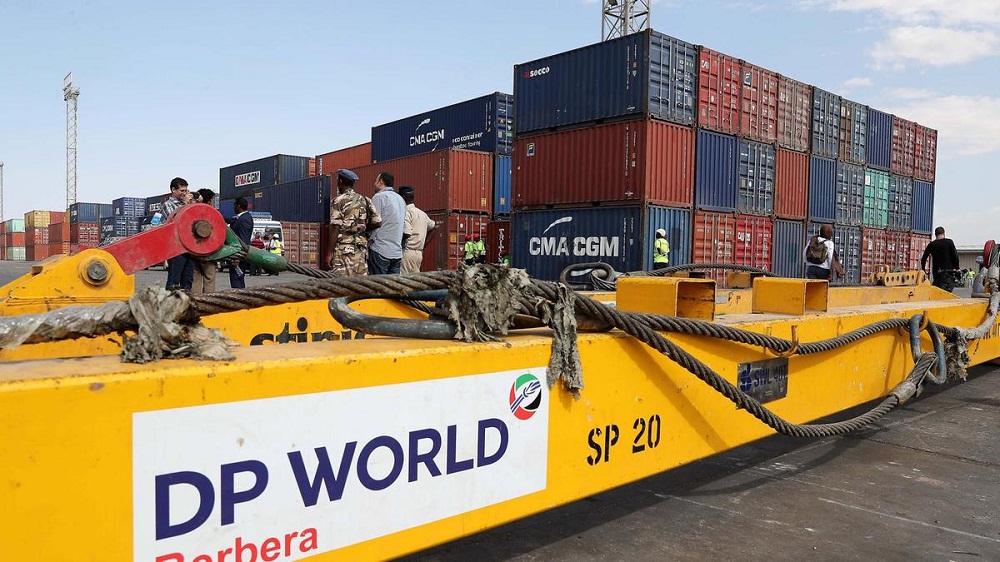 BOSASO (Somali Report) — Traditional elders in Puntland’s Bari region have called for an independent review of the long-term agreement between the Puntland administration and Dubai-based port operator DP World, escalating a growing dispute over sharp increases in port service charges that have disrupted trade through Bosaso, one of Somalia’s largest commercial gateways.
In a statement issued following consultations, the elders expressed concern that steep increases in port fees and related charges have placed an unsustainable burden on traders and consumers, forcing businesses to suspend operations and contributing to the closure of Bosaso’s markets.
The elders urged Puntland authorities to immediately suspend the new charges, reopen the port and local markets, establish a dialogue committee with traders, and commission an independent review of the agreement governing Bosaso Port and other related infrastructure projects.
“We cannot accept policies that place unbearable pressure on traders and the wider public during an already difficult economic period,” the statement said.
The elders argued that the modernization of Bosaso Port had originally been presented as a project that would stimulate economic growth, create jobs and improve trade across Puntland. Instead, they said, many businesses now face sharply rising operating costs.
According to figures cited by the elders, average port service fees have increased by more than 118 percent, while charges on some essential imports—including rice, sugar, wheat flour, pasta and cooking oil—have risen by around 50 percent. They also claimed that fees on agricultural fertilizer had increased by more than 700 percent.
The statement comes after days of protests by Bosaso’s business community, which has accused authorities and DP World of imposing excessive service charges at a time of inflation, drought and broader economic pressures.
However, Puntland President Said Abdullahi Deni has rejected claims that the government is introducing new taxes, insisting the changes relate only to revised port service fees needed to finance the next phase of Bosaso Port’s expansion.
Somali Report · Newsletter
Your morning briefing on Somalia's biggest stories — politics, security, business, and the people shaping the region's future.
Speaking publicly on the dispute, Deni said tariff adjustments had been delayed for seven years to help businesses recover from previous economic challenges.
“The increase is not a tax,” Deni said. “These are service charges necessary to ensure Bosaso Port provides facilities comparable to other modern regional ports.”
He said revenues generated from the revised fees would help fund additional expansion, cargo-handling equipment and improvements designed to transform Bosaso into a more competitive logistics hub serving Puntland, Somalia and neighboring Ethiopia.
Deni also dismissed reports that Bosaso Port had completely ceased operations, saying livestock exports, fuel imports and vessel traffic continued despite the ongoing business protest.
Bosaso Port is one of Somalia’s most strategically important maritime gateways and serves as a major export point for livestock destined for Gulf markets while handling imports of food, fuel and consumer goods for northeastern Somalia.
DP World has invested heavily in expanding Bosaso Port under a long-term concession agreement, following similar investments at Berbera Port in neighboring Somaliland.
The dispute illustrates the increasingly difficult balance facing regional governments seeking foreign investment to modernize critical infrastructure while maintaining the confidence of domestic businesses that depend on affordable trade.
With negotiations continuing, both traders and Puntland authorities face mounting pressure to reach a compromise that protects economic activity while preserving investment in one of Somalia’s most important commercial assets.
About the Author
Aden Warsame is a Senior Reporter at Somali Report, covering politics, security, diplomacy, business, and regional affairs across Somalia and the Horn of Africa.
Kenya Reflects on Raila Odinga’s Political Legacy One Year After His Death


