Somali President Hassan Sheikh Mohamud has dismissed Supreme Court Chief Justice Baashe Yusuf Ahmed and reinstated Ibrahim Idle Suleiman, hours before an expected ruling on an opposition lawsuit challenging constitutional amendments.
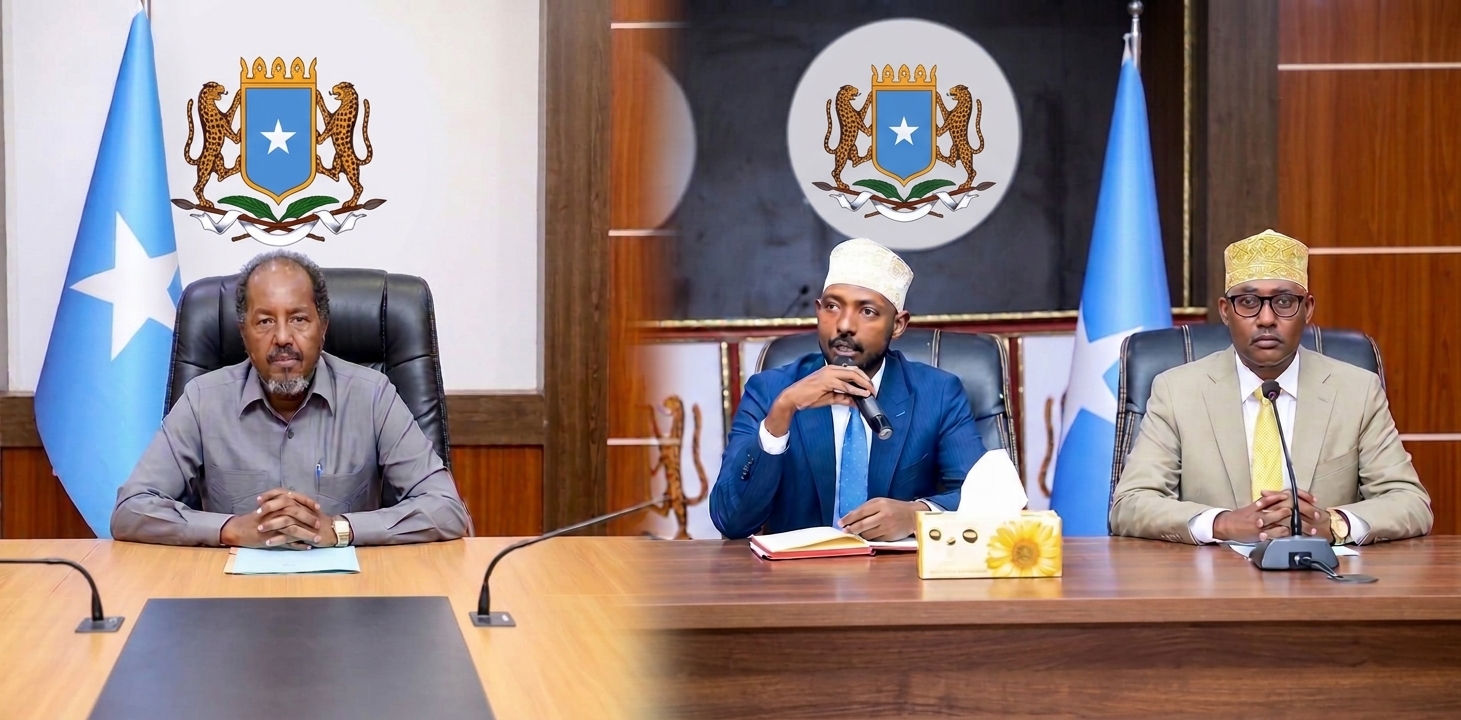
The timing of the decision is likely to draw attention amid an ongoing political dispute over changes to Somalia's constitution, which have been strongly opposed by sections of the political opposition.
The presidency announced the dismissal and appointment in a statement, saying the changes followed complaints raised by judges, judicial officials and legal professionals over transparency and the functioning of the country's judicial system.
The statement did not directly link the leadership change to the opposition's constitutional complaint or explain whether the court proceedings would be affected by the appointment.
The presidency said the reshuffle was part of a broader reform programme aimed at strengthening transparency, judicial independence and public confidence in Somalia's justice system.
Mohamud wished the newly appointed chief justice success in carrying out his responsibilities, stressing the importance of protecting judicial independence, upholding the rule of law and ensuring equal justice for all citizens.
The appointment returns Suleiman to a position he previously held for nearly five years.
He was first appointed chief justice of Somalia's Supreme Court in July 2011 and remained in office until May 2016. He later served as a legal adviser to the president of the Federal Republic of Somalia.
The decision came at a politically sensitive moment, with opposition leaders awaiting a ruling on their legal challenge to constitutional changes approved by parliament.
The opposition complaint concerns amendments to the country's constitution, which have become a major source of political tension between the federal government and opposition groups.
The dispute has centred on the process through which the amendments were adopted and their implications for the country's political and constitutional arrangements.
Somali Report · Newsletter
Your morning briefing on Somalia's biggest stories — politics, security, business, and the people shaping the region's future.
The dismissal of Baashe came before the court's expected decision on the case, raising questions about the timing of the leadership change and its potential implications for the pending proceedings.
However, the presidential statement did not provide details about the status of the opposition's complaint or indicate when the court would issue its decision.
The Supreme Court is one of Somalia's highest judicial institutions, with responsibility for overseeing the country's judicial system and handling major legal matters within its jurisdiction.
The latest appointment also marks Suleiman's return to the judiciary's top position after previously serving in the role between 2011 and 2016.
His previous experience includes legal advisory work within the presidency, giving him a background in both the judiciary and the executive branch of government.
The leadership change comes as Somalia continues to face political disagreements over constitutional reforms, governance and the country's electoral arrangements.
The opposition has challenged aspects of the constitutional changes, while the federal government has defended its reform agenda as part of efforts to complete the country's constitutional framework.
The latest development is expected to attract scrutiny over the independence of the judiciary, particularly given the timing of the dismissal and the pending case involving the constitutional amendments.
Neither the presidency's statement nor the information provided in the announcement indicated whether the newly appointed chief justice would immediately take over responsibility for the opposition's complaint.
The court's handling of the case is likely to remain a key issue in the wider political debate over constitutional changes and the relationship between Somalia's federal government and opposition groups. The Supreme Court has annulled the July 30 Galmudug elections, ruling that serious irregularities violated constitutional and electoral laws and ordering fresh polls.
About the Author
Ahmed Omar is a senior journalist for Somali Report, based in Mogadishu. He has two decades of experience reporting on Somalia for international and local media. He covers politics, security, governance, business, trade, economic developments and regional affairs.
