Somali Prime Minister Hamza Abdi Barre has praised one-person, one-vote elections as a major step in state-building, saying the government remains open to dialogue with opposition groups amid an ongoing dispute over the country's electoral process.
 MOGADISHU (Somali Report) — Somali Prime Minister Hamza Abdi Barre on Thursday praised recent one-person, one-vote elections in the country, describing them as a major achievement in Somalia's state-building process, as political tensions over the country's electoral system continue.
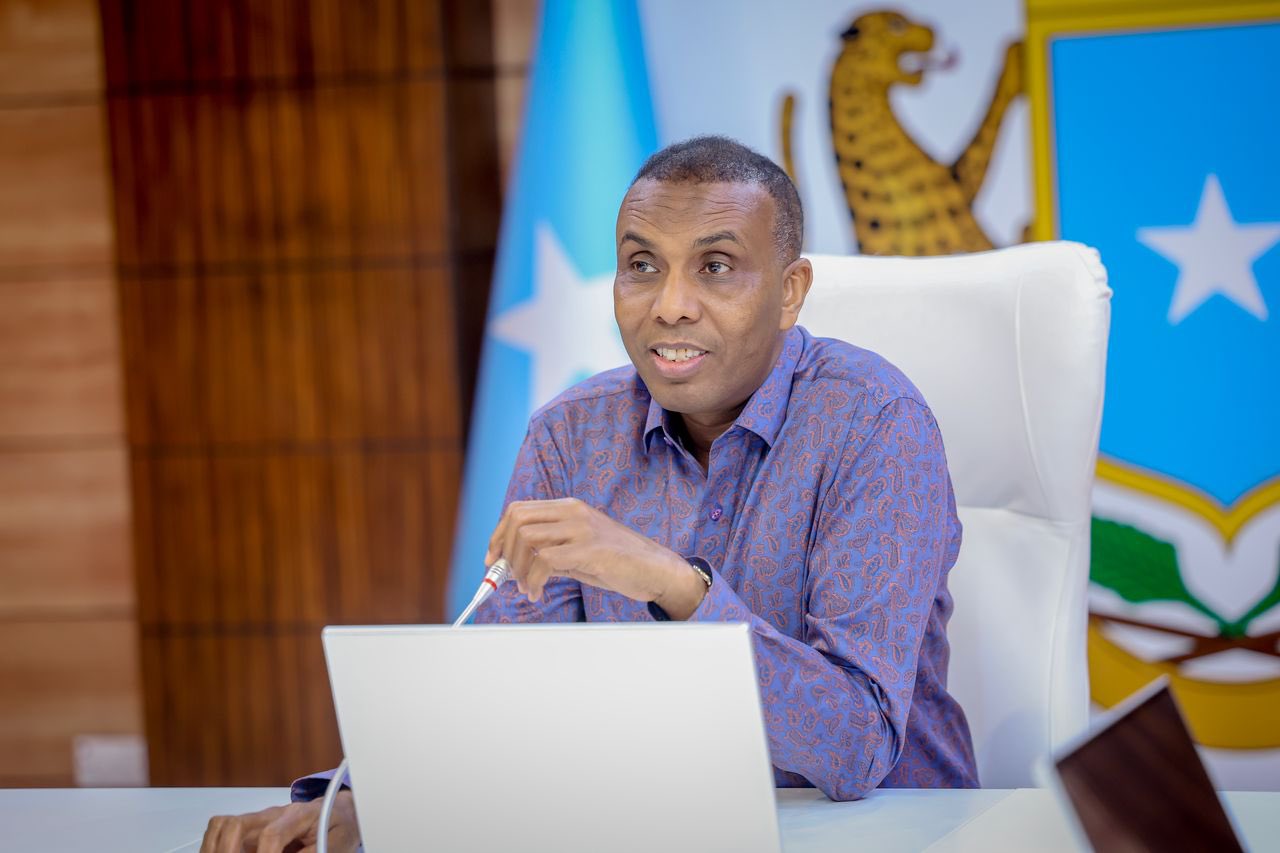
Speaking at a meeting of the Council of Ministers in Mogadishu, Barre addressed several pressing national issues, including elections, security and planned talks between the federal government and opposition groups.
The prime minister welcomed the elections held under the direct voting system, saying they represented an important step towards strengthening democratic governance and institution-building in Somalia.
His remarks come amid a deepening political dispute between President Hassan Sheikh Mohamud's administration and opposition leaders over how the country's next elections should be organised.
Barre said negotiations between the federal government and opposition representatives were ongoing, adding that the government remained open to dialogue on electoral arrangements.
He stressed that any decisions reached through the discussions would have to comply with Somalia's constitution and existing laws.
"The government's doors remain open," Barre said, according to a statement released after the cabinet meeting, without providing details about the timing or format of the proposed negotiations.
President Hassan Sheikh has previously announced plans for consultations with opposition figures in an effort to address disagreements over the electoral process. The outcome of the expected talks is being closely watched as political differences threaten to complicate preparations for the next elections.
The electoral dispute centres on the federal government's push for a direct voting system, while opposition groups have raised objections to the proposed arrangements and called for political agreement on the way forward.
On security, Barre warned against what he described as attempts to normalise or legitimise militant groups, saying such an approach could pose serious risks to national security.
He said the overall security situation in Somalia was good and maintained that the Somali National Army had sufficient capacity to carry out its responsibilities.
Somali Report · Newsletter
Your morning briefing on Somalia's biggest stories — politics, security, business, and the people shaping the region's future.
The prime minister did not provide further operational details or specific security assessments during the meeting.
The cabinet also received a report from the Office of the Prime Minister's Inclusive Politics Pillar on its recent activities in the northeastern state of North Eastern Somalia.
The report covered training programmes and technical assistance provided to officials of the regional administration, including personnel serving at director-general level. The support was aimed at strengthening administrative capacity and institutional operations.
Officials also presented an update on the work of the Halmeel Integrated Services Centre, including progress towards making its newly established facilities operational.
During the meeting, ministers approved a series of national policies and international agreements submitted by different government ministries.
The approved measures included the National Policy on Technical and Vocational Education and Training, the National Policy on Child Protection and Sponsorship, and the National Policy on Migration Management.
The cabinet also approved an agreement between Somalia and the United Nations, represented by the Office of the High Commissioner for Human Rights, concerning the establishment of an office in the country.
Another approved measure was a memorandum of understanding between Somalia and Türkiye on cooperation in social services.
The decisions come as Somalia faces political and institutional challenges over its electoral arrangements, alongside ongoing security operations against the al-Shabab militant group.
With the federal government and opposition yet to reach a common position on the electoral process, the planned dialogue is expected to be an important test of efforts to resolve the dispute through negotiations.
No timetable or concrete outcome from the proposed talks was announced at Thursday's cabinet meeting.
About the Author
Ahmed Omar is a senior journalist for Somali Report, based in Mogadishu. He has two decades of experience reporting on Somalia for international and local media. He covers politics, security, governance, business, trade, economic developments and regional affairs.
