Somali President Hassan Sheikh Mohamud has urged wealthy nations to honour their climate finance commitments, saying vulnerable countries need grants, not loans, to tackle climate change. He warned that up to 3.4 million people in southern Somalia could face renewed flood risks.
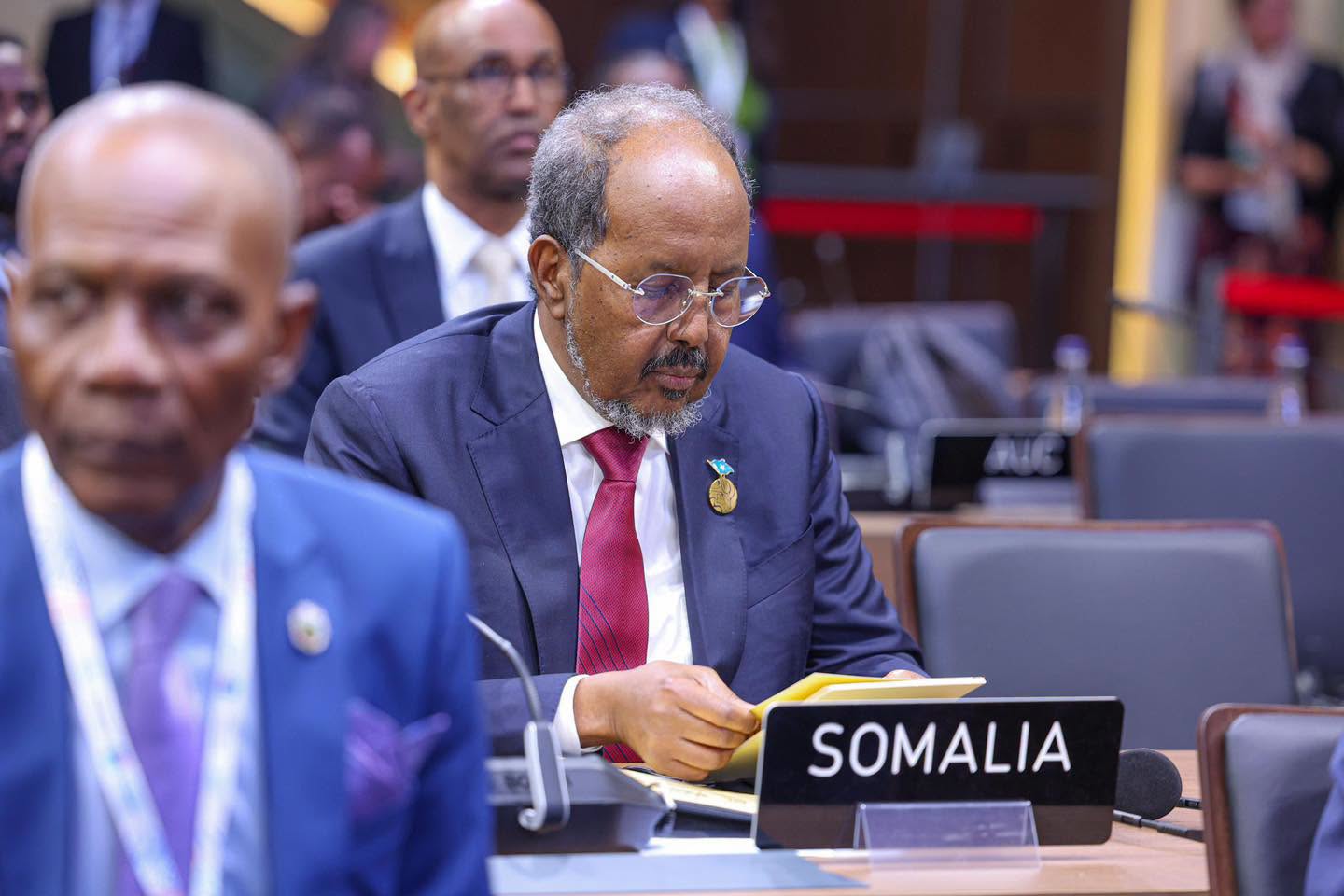
Addressing the leaders' summit at the United Nations climate conference, COP31, in the Turkish city of Antalya, Hassan said countries suffering the consequences of global warming should not have to beg for assistance from the world's biggest polluters.
"Developing countries affected by climate change have not come to Antalya to ask for charity. We are asking for the commitments made by the countries most responsible for this crisis to be honoured," he said.
Hassan cited Article 9 of the Paris Agreement, which requires developed countries to provide financial resources to help developing nations address climate change, including through mitigation and adaptation measures.
He said Somalia contributed just 0.09 percent of global greenhouse gas emissions but remained among the countries most severely affected by climate-related disasters.
The president pointed to the prolonged drought that struck Somalia between 2020 and 2023, describing it as the longest in four decades, as well as devastating El Niño-related floods in 2023 that affected more than two million people.
He also warned of the risk of renewed flooding linked to El Niño conditions, saying climate forecasts indicated that as many as 3.4 million people in southern Somalia could be exposed to the threat.
Somalia, located in the drought-prone Horn of Africa, has faced repeated climate shocks that have disrupted agriculture, displaced communities and worsened food insecurity.
He called on donor countries to ensure that climate finance was provided primarily through grants rather than loans, arguing that vulnerable countries should not be burdened with additional debt while dealing with a crisis they had contributed little to causing.
Hassan also urged donors to simplify application procedures and ease access requirements so that countries most exposed to climate risks could obtain funding more quickly.
Somali Report · Newsletter
Your morning briefing on Somalia's biggest stories — politics, security, business, and the people shaping the region's future.
He stressed that the commitment reached at the climate negotiations in Baku to raise climate finance to at least $300 billion annually by 2035 must translate into actual funding reaching countries in need.
The Somali leader warned against allowing international climate finance pledges to remain ambitious figures announced at global summits without producing tangible benefits for vulnerable communities.
Somalia has also outlined its own emissions reduction targets, pledging to cut greenhouse gas emissions by 34 percent by 2035 compared with projected levels under a business-as-usual scenario.
Hassan said the government planned to deliver five percentage points of that reduction using domestic resources, while the remaining 29 percentage points would depend on international financial and technical assistance.
He added that Somalia's estimated financing needs for climate adaptation stood at $6.3 billion through 2035, highlighting the scale of investment required to strengthen the country's resilience to climate-related disasters.
The president further said the Somali government approved a national preparedness plan for El Niño in September, bringing together federal authorities, federal member states and local administrations to coordinate efforts to prevent and respond to climate emergencies.
The plan is intended to improve coordination among government institutions and strengthen preparedness for potential flooding and other climate-related hazards.
Somalia's appeal comes as developing countries continue to press wealthier nations to deliver on long-standing climate finance commitments, arguing that access to predictable and affordable funding is essential to protecting communities and strengthening resilience.
For Somalia, where millions of people depend on rain-fed agriculture and livestock for their livelihoods, climate finance remains central to efforts to address recurring droughts, floods and their wider economic and humanitarian consequences.
About the Author
Ahmed Omar is a senior journalist for Somali Report, based in Mogadishu. He has two decades of experience reporting on Somalia for international and local media. He covers politics, security, governance, business, trade, economic developments and regional affairs.
