Egypt says Somalia made a fresh diplomatic effort to revive negotiations over Ethiopia’s Grand Renaissance Dam, but the initiative failed after Addis Ababa rejected the proposed mediation during talks held in Türkiye.
 CAIRO (Somali Report) — Somalia recently made a fresh attempt to revive its role as a mediator in the dispute between Egypt and Ethiopia over the Grand Ethiopian Renaissance Dam (GERD), but the initiative failed after Addis Ababa rejected the proposal, Egypt's foreign minister said.
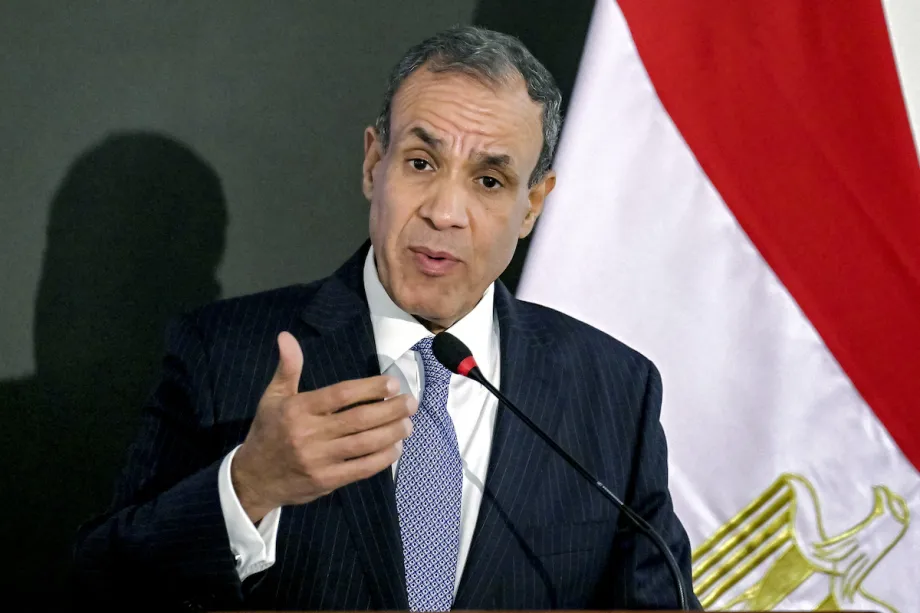
Badr Abdelatty disclosed the diplomatic effort during a meeting with journalists, media executives and newspaper editors in Cairo on Saturday, saying a meeting to discuss the issue was held in Türkiye but ended without progress because of Ethiopia's position.
He did not provide details of the proposal presented by Somalia or explain the specific mediation framework suggested by Mogadishu. However, his remarks confirmed that the Somali government had recently sought to help revive negotiations over the long-running dispute concerning the waters of the Nile River.
The disclosure highlights Somalia's renewed diplomatic engagement in one of Africa's most sensitive regional disputes, as tensions between Cairo and Addis Ababa continue over Ethiopia's management of the massive hydroelectric dam built on the Blue Nile.
Egypt considers the dam a major strategic concern because of its dependence on the Nile for almost all its freshwater needs. Sudan, which also lies downstream from the dam, has similarly raised concerns over its potential impact on water management and the safety of its infrastructure.
Ethiopia, meanwhile, regards the GERD as a central development project intended to expand electricity generation, support economic growth and improve access to power across the country.
The dam, constructed on the Blue Nile near Ethiopia's border with Sudan, has been at the centre of a dispute involving the three countries for more than a decade, with repeated negotiations failing to produce a comprehensive agreement on its operation and the management of water resources during periods of drought.
Abdelatty reiterated that Egypt's water security was an existential national issue that could not be subject to compromise.
Somali Report · Newsletter
Your morning briefing on Somalia's biggest stories — politics, security, business, and the people shaping the region's future.
He also stressed that the dispute over the Ethiopian dam and Ethiopia's efforts to secure access to a seaport were two separate matters that should not be linked in diplomatic negotiations.
The comments come amid growing tensions between Egypt and Ethiopia over regional security and access to the Red Sea, particularly as Addis Ababa pursues efforts to secure maritime access for a country that has been landlocked since Eritrea's independence in 1993.
Cairo has repeatedly expressed opposition to arrangements that it believes could undermine the sovereignty and territorial integrity of countries in the Horn of Africa, while also insisting that Nile water negotiations must be conducted under international law.
Abdelatty said Egypt did not oppose development projects undertaken by countries along the Nile Basin, but insisted that such projects must respect international legal principles, the sovereignty of states and the rights of all countries sharing the river.
He specifically emphasised the interests of Egypt and Sudan, the two downstream countries that depend heavily on the Nile.
Somalia's reported mediation attempt comes as regional diplomatic efforts continue to face difficulties in resolving the dispute, which has become a major source of tension between two of Africa's most influential countries.
Neither the Somali government nor Ethiopian authorities had publicly provided further details of the proposed mediation initiative in the account of Abdelatty's remarks.
About the Author
Ahmed Omar is a senior journalist for Somali Report, based in Mogadishu. He has two decades of experience reporting on Somalia for international and local media. He covers politics, security, governance, business, trade, economic developments and regional affairs.
