Somalia faces a deepening constitutional and electoral crisis. Abdirisak M. Aden argues that President Hassan Sheikh Mohamud must lead an inclusive 30-to-60-day process to agree on a caretaker framework, electoral timetable and constitutional reforms.
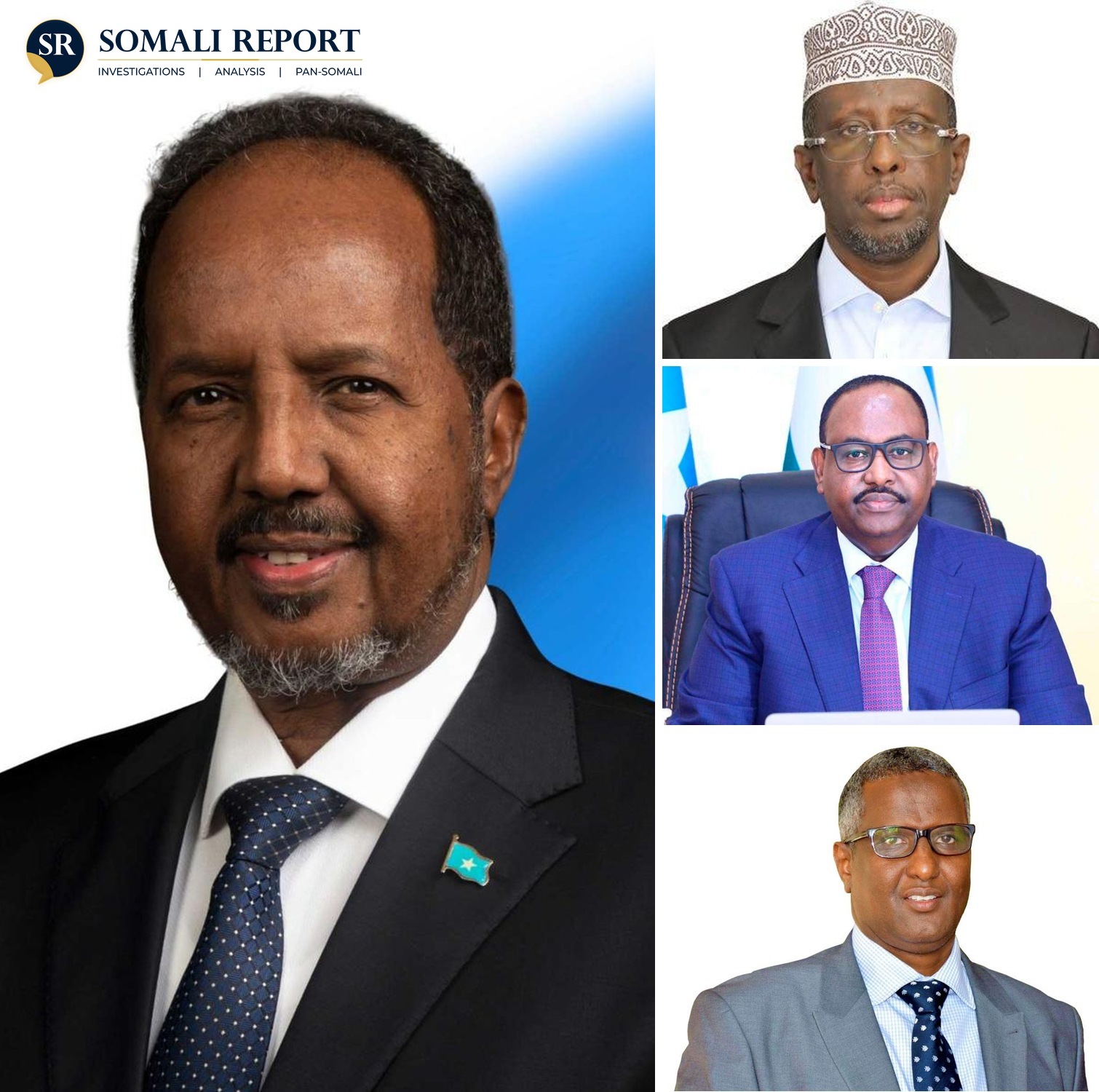 MOGADISHU (Somali Report) — Somalia stands at a crossroads following the March constitutional amendments, the Supreme Court’s November ruling that those extensions could not apply to officials already in office, and the rejection of the government’s electoral timetable by major opposition figures and the leaders of Puntland and Jubaland.
This is not merely another political dispute; it reopens the unresolved questions of the 2012 Provisional Constitution and threatens the survival of the Somali state.
Continued fragmentation risks deepening insecurity in the Horn of Africa and undermining the fight against Al-Shabaab.
The cycle of mandate crises, driven by the outdated 4.5 clan formula and contested federalism, must end.
President Hassan Sheikh Mohamud has a responsibility to break this pattern by accepting the practical force of the Supreme Court’s determination, abandoning any attempt to prolong sitting mandates, and leading an inclusive process within a 30-to-60-day window.
Somali leaders should convene a narrow, time-bound conference bringing together the federal government, federal member states, principal opposition groups and representatives of minorities, women, youth and civil society. The agenda must produce one package: a caretaker framework, a fixed electoral calendar and the outline of constitutional change.
Democratic legitimacy
The electoral system should prioritise a hybrid or phased transition towards direct lower-house elections. This gradual approach is the most realistic path to democratic legitimacy.
Somali Report · Newsletter
Your morning briefing on Somalia's biggest stories — politics, security, business, and the people shaping the region's future.
To remove distrust, the UN should provide technical assistance for the design and deployment of the voting system and withhold the source code from Somali parties. This would allow negotiations to focus on political rules rather than technical fears of manipulation.
Leaders should commit to a constitutional amendments roadmap that moves Somalia from contested federalism towards a clearer decentralised system modelled on Kenya’s experience. The national government would retain authority over defence, foreign affairs, citizenship, currency and strategic infrastructure, while regional units would exercise real powers over local services and limited revenue-raising.
Existing federal member states could transition into the new units within 18 to 36 months, with a clear sunset clause for the 4.5 formula and temporary minority safeguards.
This is a call to accept rules that prevent indefinite mandate extension, protect local voices without creating fiefdoms, and begin the shift from clan arithmetic to citizenship.
A Somalia-first approach – subordinating short-term political advantage to national survival – can still close the space for external manipulation.
The window is narrow; the choice belongs to Somalis, but the consequences will be felt across the region.
— Abdirisak M. Aden is the Executive Director of Farsight Africa Research and Policy Studies and a former adviser to the Office of the President of Somalia.
