The East African Court of Justice has given Somalia's federal government 45 days to respond to a lawsuit filed by six Supreme Court judges over alleged interference in judicial decisions and the removal of former chief justice Baashe Yusuf Ahmed.
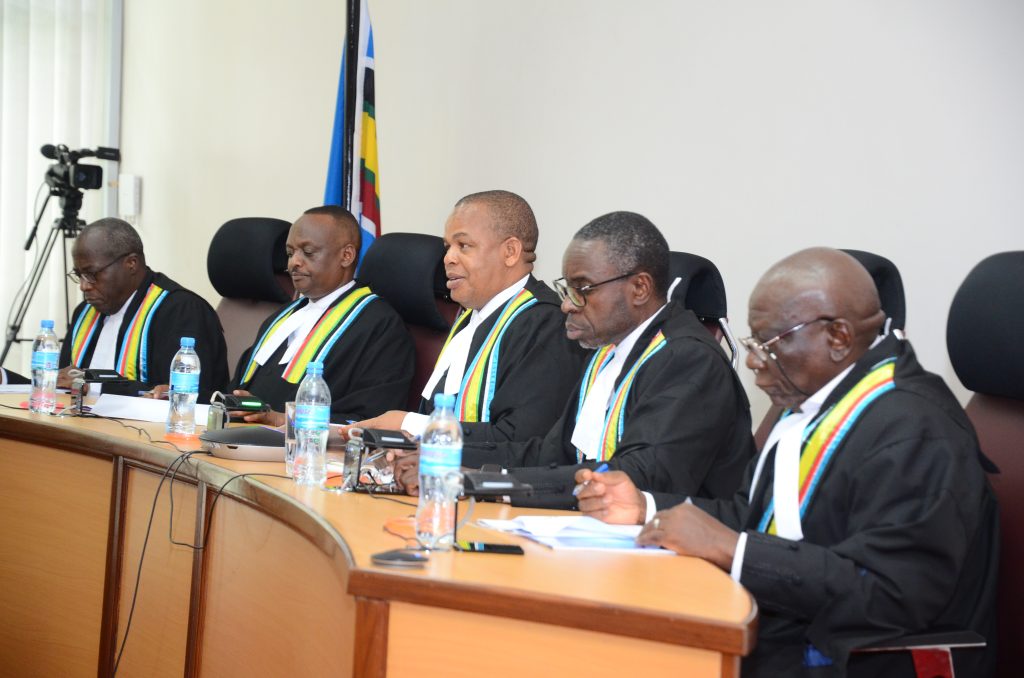 MOGADISHU (Somali Report) — The East African Court of Justice (EACJ) has given Somalia's federal government 45 days to respond to a lawsuit filed by six Supreme Court judges over alleged interference in judicial decisions and threats to the independence of the judiciary.
The case was brought by six judges from Somalia's Supreme Court, including former chief justice Baashe Yusuf Ahmed. The regional court has accepted their application and set a deadline for the government to submit its response and legal defence.
The lawsuit marks a new development in a growing dispute between the judges and Somalia's federal leadership over the removal of the Supreme Court chief justice and the government's role in the country's judicial system.
The six judges have strongly opposed a decision by President Hassan Sheikh Mohamud to remove Baashe from his position, describing the move as unlawful and an infringement on judicial independence.
In their objections, the judges accused the president of violating the constitution and intimidating members of the judiciary. They have argued that the decision to remove the chief justice undermined the authority of the Supreme Court and raised serious questions about the separation of powers.
The dispute has also been fuelled by disagreements over the constitutional mandates of Somalia's political institutions.
The judges have maintained that the terms of the federal president and the two houses of parliament have expired, a position that forms part of the legal arguments underpinning their opposition to the government's actions.
The government, however, has maintained its position in the wider dispute over the country's constitutional and political arrangements.
Somali Report · Newsletter
Your morning briefing on Somalia's biggest stories — politics, security, business, and the people shaping the region's future.
The EACJ's decision to give the government 45 days provides an opportunity for Mogadishu to formally respond to the allegations before the proceedings move forward.
The case is expected to examine questions surrounding the legality of Baashe's removal, the authority of state institutions and the protection of judicial independence under applicable legal frameworks.
The six judges' decision to take their grievances to the East African regional court represents a significant escalation of the dispute, moving the confrontation beyond Somalia's domestic institutions.
The EACJ, based in Arusha, Tanzania, is the judicial organ of the East African Community and is mandated to interpret and apply the treaty establishing the regional bloc.
Somalia became a full member of the East African Community in March 2024, opening the way for its participation in the bloc's institutional and judicial framework.
The federal government has yet to submit its response to the lawsuit, with attention now turning to how it will defend its position before the regional court.
The proceedings could have wider implications for debates over constitutional governance, institutional accountability and the independence of the judiciary in Somalia.
About the Author
Ahmed Omar is a senior journalist for Somali Report, based in Mogadishu. He has two decades of experience reporting on Somalia for international and local media. He covers politics, security, governance, business, trade, economic developments and regional affairs.
